Are 6-Inch Gutters Better Than 5-Inch Gutters?
Most homes are built with 5-inch gutters, and for a lot of houses that size works fine. But "fine" depends on the roof the gutters are draining. A gutter that's undersized for its roof overflows in heavy rain, spills water at the foundation, and wears out faster from the constant strain.
So are 6-inch gutters better? For some homes, clearly yes. For others, the upgrade adds cost without solving a real problem. Here's how gutter sizing actually works and how to tell which size a house needs.
What the Measurement Means
Gutter size refers to the width across the top opening of the gutter. A 5-inch gutter is 5 inches wide at the top; a 6-inch gutter is 6 inches wide. Most residential gutters are K-style, which has a flat back and a decorative front profile that resembles crown molding.
That extra inch sounds small, but gutter capacity isn't measured in width. It's measured in cross-sectional area, meaning how much water the channel can hold at any point along its length. Because a 6-inch gutter is also deeper, its cross-section is meaningfully larger than a 5-inch gutter's, and it can move noticeably more water before it overflows.
Standard Gutter Dimensions
- 5-inch K-style. The residential standard. Paired with 2x3-inch downspouts on most homes.
- 6-inch K-style. Common on larger homes, steeper roofs, and properties with long uninterrupted roof runs. Paired with 3x4-inch downspouts.
- Half-round. Rounded profile, often found on historic or high-end homes. Typically holds less water than a K-style gutter of the same width.
The downspout difference matters as much as the gutter itself. A 2x3-inch downspout has a 6-square-inch opening. A 3x4-inch downspout has a 12-square-inch opening, twice the area. Gutters can only drain as fast as their downspouts allow, so a larger gutter on undersized downspouts still backs up.
What Determines the Right Size
Gutter sizing comes down to how much water the roof sends into the gutter during the heaviest rain the area typically sees. Four factors drive that number:
- Roof area. More square footage collects more rain. A large roof plane draining into one gutter run puts far more water into that gutter than a small one.
- Roof pitch. Steeper roofs shed water faster and with more force. Water coming off a steep slope can shoot past or overwhelm a smaller gutter during intense rain.
- Rainfall intensity. What matters is the peak, not the annual total. Regions that get short, heavy downpours need gutters sized for those bursts. The Midwest regularly sees summer thunderstorms that drop a lot of rain in a short window.
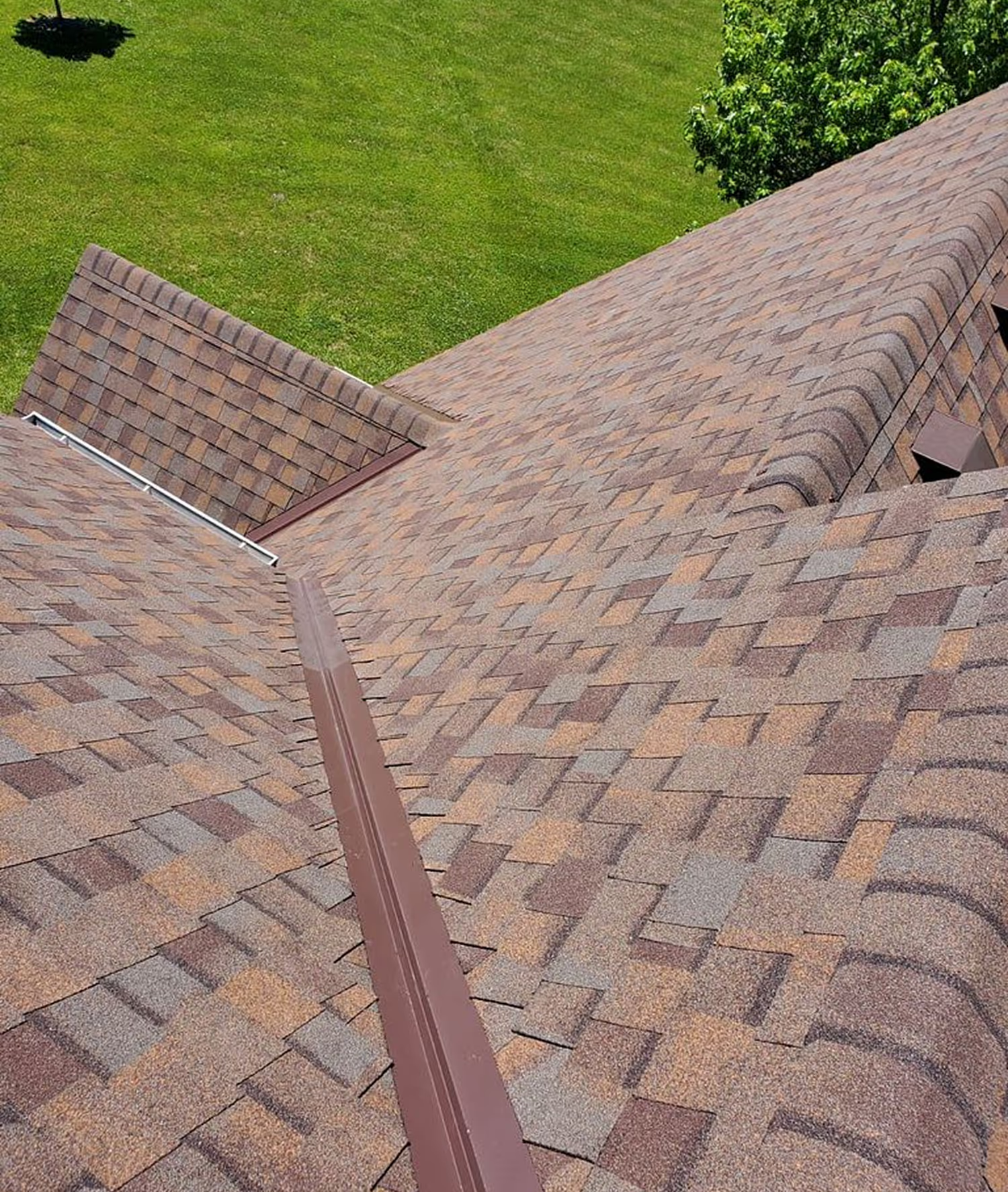
- Roof layout. Valleys concentrate water. Where two roof planes meet and drain into the same section of gutter, that spot handles far more volume than the rest of the run.
Signs Your Current Gutters Are Too Small
An undersized gutter system usually tells on itself. Common signs:
- Water spilling over the front edge during heavy rain, even when the gutters are clean
- Overflow concentrated at the inside corners below roof valleys
- Erosion, splash marks, or pooling along the foundation under the gutter line
- Staining or rot on fascia boards behind the gutter
- Downspouts that gush at full force while the gutter above them still overflows
If the gutters overflow only when they're full of leaves or other common gutter clogs, the problem is maintenance, not size. If they overflow when they're clean, the system is likely undersized for the roof.
When 6-Inch Gutters Are Worth It
Six-inch gutters earn their cost in specific situations:
- Large homes with long roof runs feeding a single gutter section
- Steep roofs, where water comes off faster than a 5-inch channel can collect it
- Roofs with multiple valleys that dump concentrated flow into one spot
- Properties with heavy tree cover, where the wider opening and larger downspouts are less prone to clogging
- Commercial and multi-family buildings with large roof surfaces
On a modest single-story home with a moderate pitch and no valleys dumping into one section, a properly installed 5-inch system with correctly placed downspouts typically handles the load.
Cost and Appearance Tradeoffs
Six-inch gutters use more material and require larger downspouts, so they cost more per foot to install. The difference is usually modest compared to the cost of water damage to fascia, siding, or a foundation, but it's real.
Appearance is the other consideration. On a large two-story home, 6-inch gutters look proportional. On a small single-story ranch, they can look oversized from the street. Gutter color and profile can soften that, but scale is worth considering.
Gutter Guards and Size
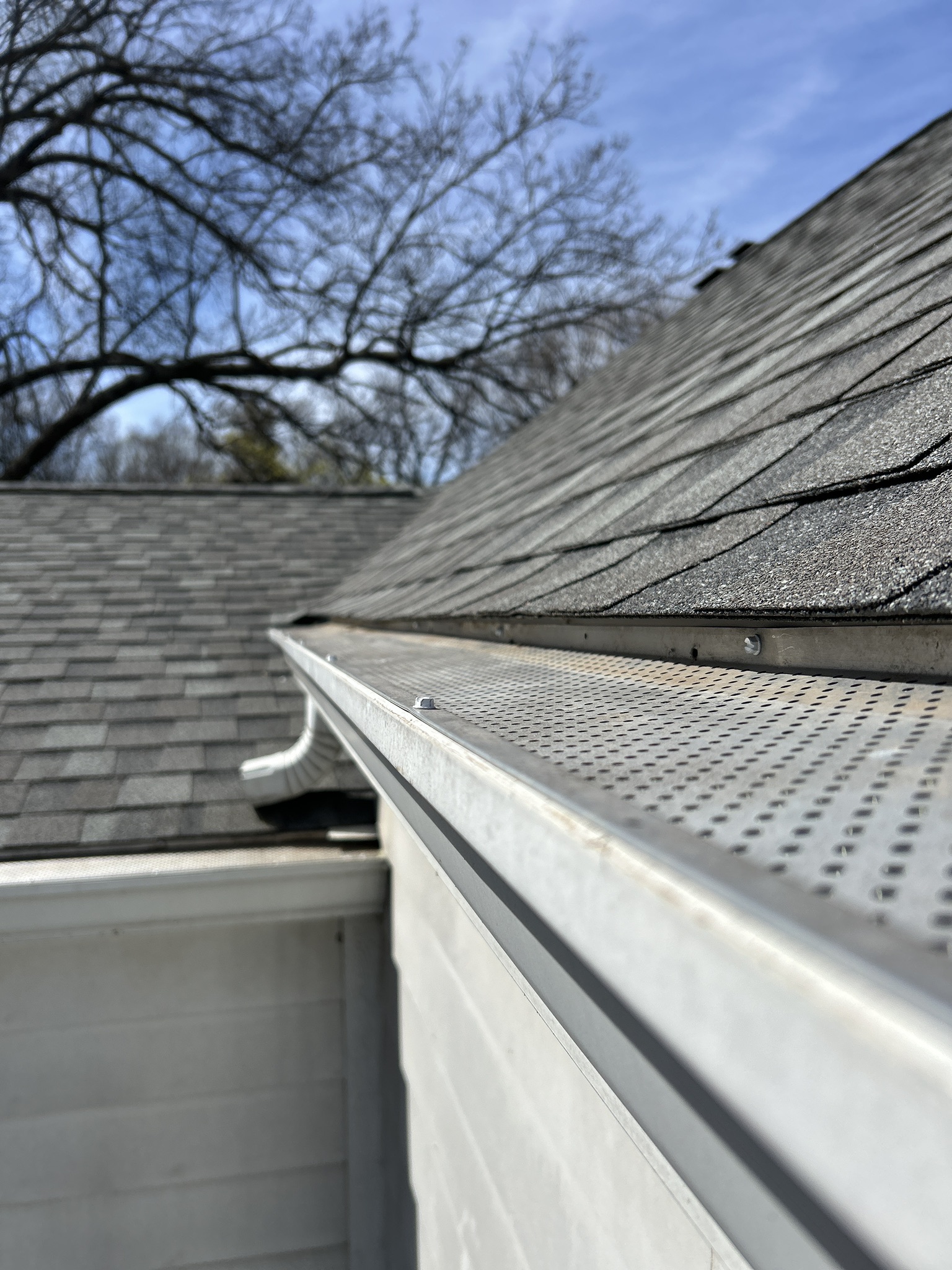
Gutter covers and guards change the equation slightly. A guard keeps debris out, which preserves the gutter's full capacity during heavy rain. But not every guard works with every gutter size, and some designs reduce how quickly water enters the gutter during intense downpours. If guards are part of the plan, the gutter size and guard type should be chosen together rather than separately.
The Bottom Line
Six-inch gutters aren't automatically better. They're better for homes with large or steep roof surfaces, concentrated valley runoff, or recurring overflow on clean gutters. For a typical home without those conditions, a well-installed 5-inch system does the job. The right answer comes from the roof itself, which is why professional gutter services start by measuring roof area, pitch, and drainage points before recommending a size.
Related News & Articles
Stay informed with expert insights, practical tips, and real stories to protect your property and plan smarter improvements every season.




Don’t Miss The Next Property Tips & Advice
Fresh guidance on roofing and property care, delivered straight to your inbox. Stay informed, stay ahead, and keep your investment protected.