How Much Can Attic Insulation Save on Energy Bills?

Heating and cooling make up a large share of most household energy bills, and a poorly insulated attic is one of the most common reasons homes lose that energy. Heat rises through the ceiling in winter and radiates down from a hot attic in summer, so the HVAC system works harder in both seasons.
How much attic insulation actually saves depends on how much insulation is there now, how well the attic is air sealed, and the climate. Here's what the data says and how to tell whether an attic needs more.
The Numbers
ENERGY STAR, the EPA's energy efficiency program, estimates homeowners can save an average of 15% on heating and cooling costs, or an average of 11% on total energy costs, by air sealing their homes and adding insulation in attics, floors over crawl spaces, and basements.
Two things are worth noting about that figure. First, it's an average across homes, so a house with almost no attic insulation stands to save more, and a house that's already well insulated will save less. Second, it combines air sealing and insulation. The two work together, and insulation alone delivers less than both done properly.
Why Air Sealing Matters as Much as Insulation
Insulation slows heat transfer. It doesn't stop air from moving. Most attics have gaps where warm indoor air escapes: around light fixtures, plumbing and electrical penetrations, attic hatches, and the tops of interior walls. Air carries heat and moisture through those openings directly into the attic.
Adding insulation on top of unsealed gaps means warm air keeps leaking through the insulation instead of being stopped by it. That's why insulation work that skips air sealing often underperforms expectations. Sealing first, then insulating, is the order that delivers the savings.
How Much Insulation an Attic Needs
Insulation performance is measured in R-value, which is resistance to heat flow. Higher R-values insulate better. The recommended level depends on climate zone.
For climate zone 4A, which includes the Kansas City area, ENERGY STAR recommends adding the following:
- Uninsulated attic: add R60
- Attic with 3 to 4 inches of existing insulation: add R49
For reference, many older homes were built with far less than either of those levels. Insulation also settles and compresses over time, so an attic that was adequately insulated decades ago may not be today.
How to Tell If an Attic Needs More
- Check the depth. If the tops of the floor joists are visible, there almost certainly isn't enough insulation. At recommended levels, the insulation should cover the joists completely.
- Look at the age of the home. Older homes are more likely to have insulation levels below current recommendations.
- Notice uneven temperatures. Rooms that are noticeably colder in winter or hotter in summer, especially upstairs, often point to insulation or air leakage problems above them.
- Watch the roof in winter. Snow that melts quickly in patches on the roof, or ice dams forming at the eaves, can signal heat escaping into the attic.
- Check for damage. Insulation that's wet, matted, stained, or disturbed by pests has lost much of its effectiveness.
Common Types of Attic Insulation
- Blown-in fiberglass. Loose fibers blown across the attic floor. Fills gaps and irregular spaces well and is one of the most common choices for adding insulation to existing attics.
- Blown-in cellulose. Made largely from recycled paper treated for fire and pest resistance. Similar application to blown fiberglass, with a slightly higher R-value per inch.
- Fiberglass batts. Pre-cut blankets laid between joists. Effective when cut and fitted carefully, less forgiving around obstructions.
- Spray foam. Expands to fill cavities and air seals at the same time. Higher cost, and typically used in specific applications rather than as the default for attic floors.
Insulation and the Roof
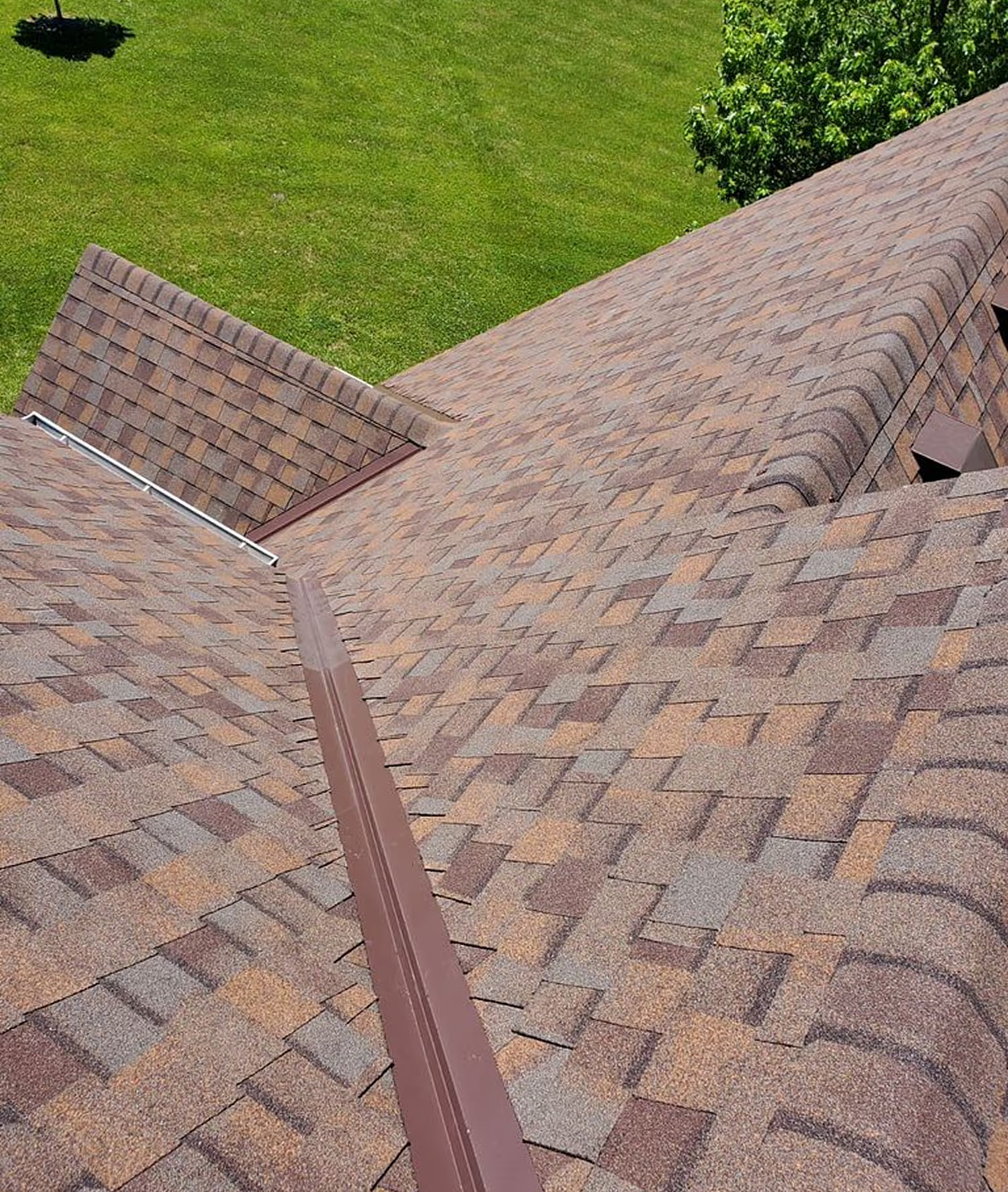
Attic insulation affects more than energy bills. A properly insulated and ventilated attic stays closer to outdoor temperature, which protects the roof itself. Heat escaping into the attic in winter melts snow on the roof that then refreezes at the colder eaves, forming ice dams that force water under shingles. In summer, excessive attic heat bakes shingles from below and shortens their life.
Insulation and ventilation have to work together, and poor attic ventilation causes its own set of problems. Blocking soffit vents with insulation, a common installation mistake, cuts off the airflow that keeps the attic dry and the roof deck healthy.
A Note on Tax Credits
The federal Energy Efficient Home Improvement Credit (Section 25C), which covered qualifying insulation and air sealing materials, was repealed by the One Big Beautiful Bill Act and ended for work completed after December 31, 2025. Some utilities and state programs still offer rebates for insulation upgrades, so it's worth checking with the local utility before starting a project. A tax professional can confirm what applies to a specific situation.
The Bottom Line
Air sealing and adding attic insulation can cut heating and cooling costs by an average of 15%, with the biggest savings in homes that start with little insulation. If the floor joists are visible in the attic or upstairs rooms struggle to hold temperature, the attic is likely under-insulated. Attic insulation services typically start with an assessment of current depth, air leaks, and ventilation before recommending what to add.
Related News & Articles
Stay informed with expert insights, practical tips, and real stories to protect your property and plan smarter improvements every season.




Don’t Miss The Next Property Tips & Advice
Fresh guidance on roofing and property care, delivered straight to your inbox. Stay informed, stay ahead, and keep your investment protected.