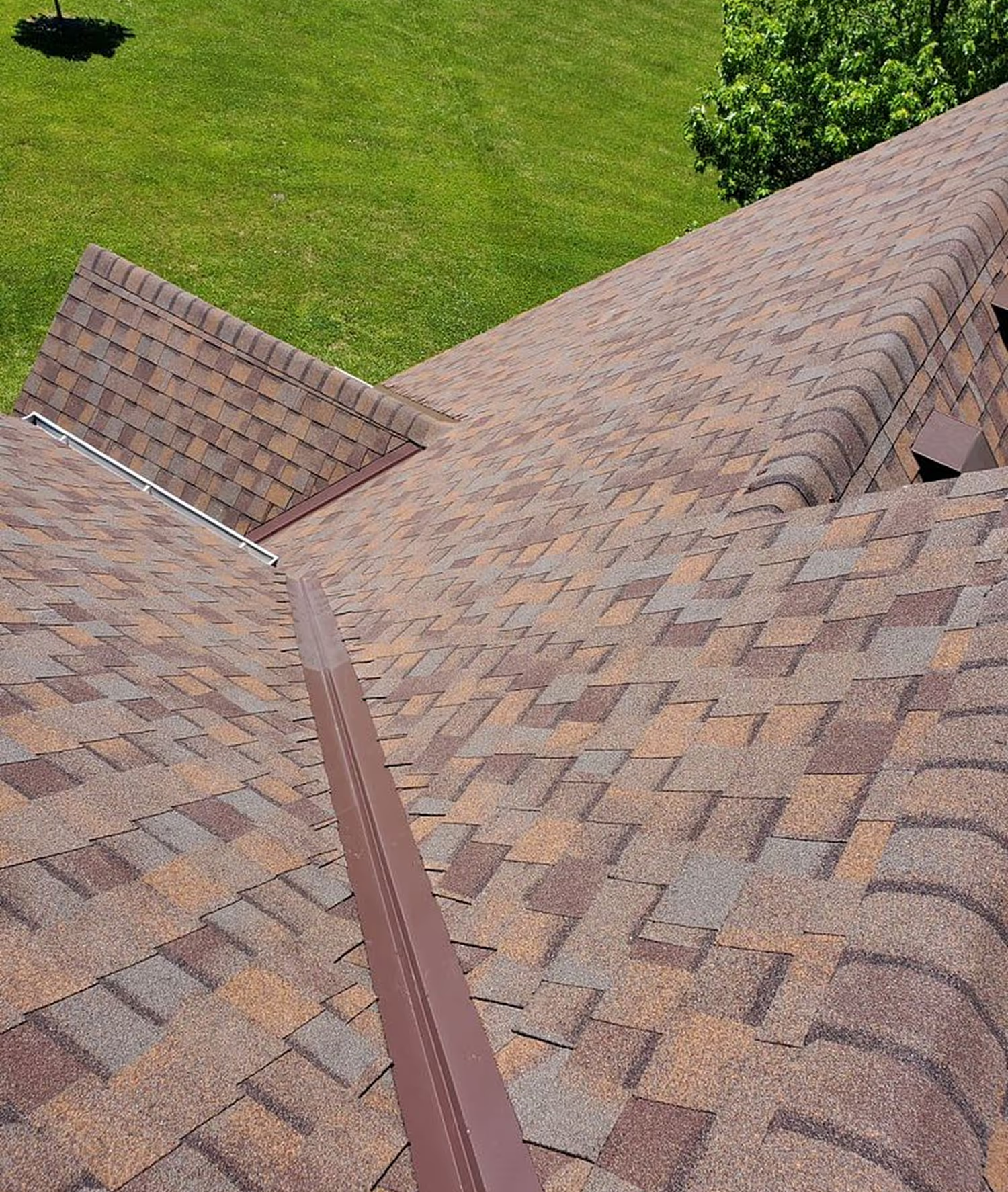
Can You Install Shingles in Cold Weather?

Roofing doesn't stop when the weather turns cold. Storms don't wait for spring, insurance claims don't wait, and a failing roof can't always hold out until warmer months. But asphalt shingles behave differently in the cold, and installing them correctly takes adjustments that warm-weather work doesn't.
So can shingles be installed in cold weather? Yes, with the right precautions. Here's what changes, what the manufacturer guidance says, and what to expect from a cold-weather roof replacement.
What Cold Does to Asphalt Shingles
Asphalt shingles are flexible at moderate temperatures and stiffen as they get colder. According to GAF, one of the largest roofing manufacturers in North America, shingles lose flexibility below 40°F and may crack. In very cold conditions, they can become brittle enough to crack, break, or delaminate when bent.
That matters because installation involves bending shingles over ridges, hips, and valleys, cutting them to fit, and handling bundles on the roof. Brittle shingles are more likely to crack during any of those steps.
The Lowest Temperature to Install Shingles
GAF's official recommendation is to install shingles at temperatures of at least 40°F. Its technical guidance also notes there's no firm minimum temperature if proper precautions are taken. In other words, 40°F and above is the ideal range for easy handling and normal sealing, and installation below that is possible when the crew adjusts its process.
The Sealing Problem
The bigger issue in cold weather isn't cracking. It's sealing.
Asphalt shingles have a strip of heat-activated sealant on each shingle. After installation, the sun warms the roof, the sealant softens, and each shingle bonds to the one below it. That bond is what gives shingles their wind resistance.
According to GAF, the sealant strip needs warmth, sun, and temperatures above 40°F to activate. In cold weather, that may not happen for days or weeks. Until it does, the shingles are held only by their nails and are more vulnerable to wind lifting the tabs.
How Roofers Install Shingles in Cold Weather
Manufacturer guidance spells out the precautions:
- Warm storage. GAF recommends storing shingles in a temperature-controlled space around 70°F for at least 24 hours before installation, rather than leaving bundles out in the cold. Warm shingles are more flexible and less likely to crack.
- Hand sealing. When it's too cold for the sealant strip to activate, roofers seal shingles by hand, applying quarter-sized dabs of approved asphalt roofing cement under each shingle tab. Too much cement can run or cause blistering, so the amount matters.
- Careful nailing. Under-driven nails can puncture the shingle above, and over-driven nails can cut into the shingle below. Cold temperatures can also cause air compressor pressure to drop, so crews check nail gun pressure frequently.
- Gentle handling. Shingles shouldn't be thrown or dropped in cold weather, since impact can crack them.
- A clean deck. The roof deck needs to be free of snow, frost, and ice before underlayment and shingles go down. Here is more on how roof deck protection works under the shingles.
Pros and Cons of a Cold-Weather Roof Replacement
Advantages:
- Scheduling is often more flexible once peak roofing season ends
- A failing or storm-damaged roof gets replaced instead of being patched through winter
- Cooler conditions are easier on crews than summer heat
Tradeoffs:
- Shorter daylight hours can extend the project timeline
- Hand sealing adds labor
- Snow, ice, and frost can cause weather delays
- Until the sealant strip fully activates in warmer weather, shingles rely more on hand sealing and nailing for wind resistance
What Homeowners Can Expect
A cold-weather installation done to manufacturer guidance is built to the same standard as a warm-weather one and has the same expected asphalt shingle lifespan. The difference is in the process: more preparation, more hand work, and more attention to weather windows. The sealant strips on any shingles that weren't hand sealed will finish activating once temperatures and sunlight warm the roof.
It's reasonable to ask how a roofing crew handles cold-weather work before the project starts, including how shingles are stored, whether hand sealing is part of the plan, and how weather delays are handled.
The Bottom Line
Shingles can be installed in cold weather. GAF recommends at least 40°F for ideal conditions, and below that, warm storage, hand sealing, and careful nailing keep the installation sound. Understanding the roof replacement process ahead of time makes it easier to plan around the season instead of waiting on it.
Related News & Articles
Stay informed with expert insights, practical tips, and real stories to protect your property and plan smarter improvements every season.




Don’t Miss The Next Property Tips & Advice
Fresh guidance on roofing and property care, delivered straight to your inbox. Stay informed, stay ahead, and keep your investment protected.