How Long Does Siding Last?
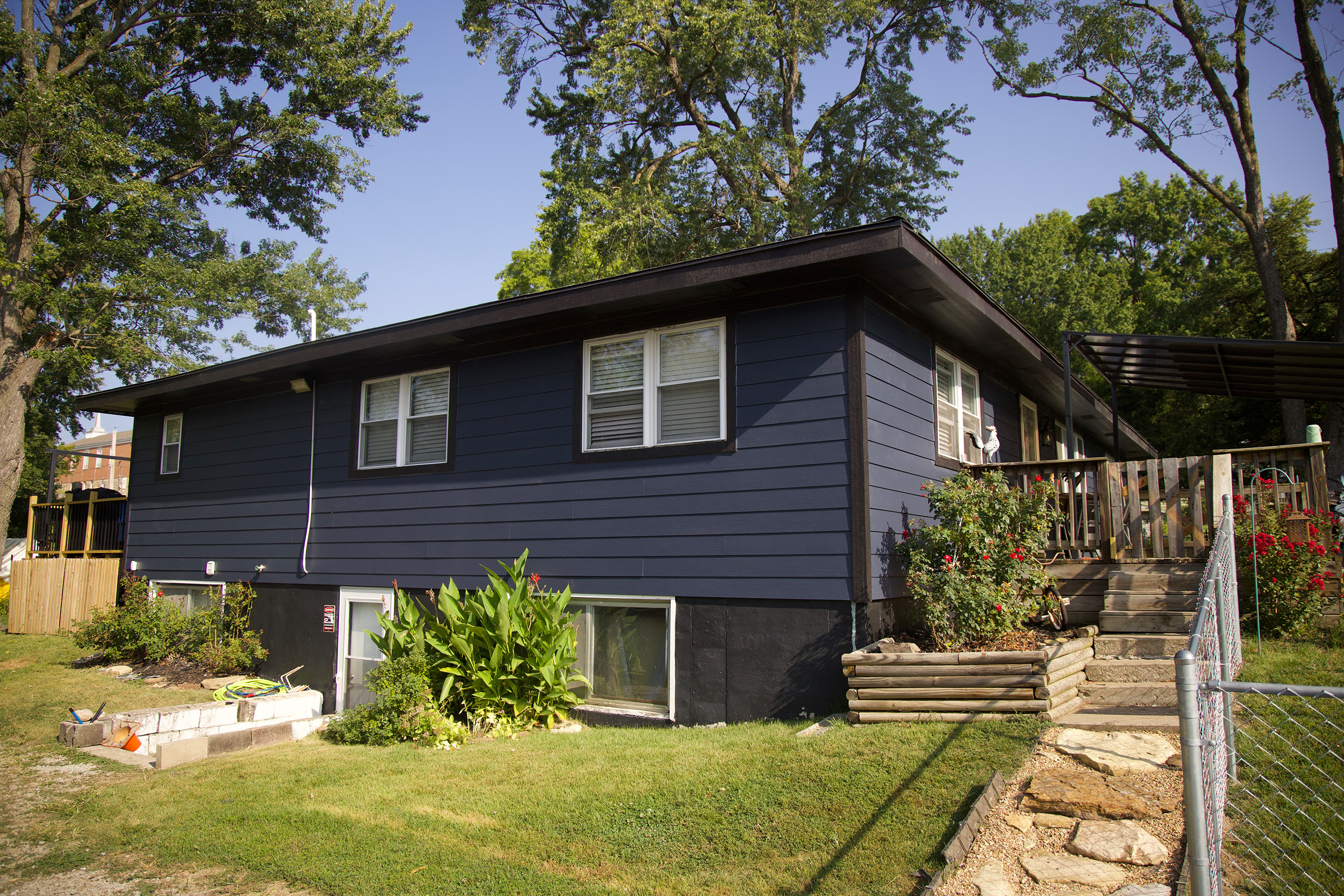
Siding is the largest exterior surface on most homes and the first line of defense against wind, rain, hail, and temperature swings. When it's working, nobody thinks about it. When it fails, moisture gets into the wall cavity, and the damage behind the siding usually costs more than the siding itself.
How long siding lasts depends mostly on the material, then on installation quality, climate, and maintenance. Here's what each common material can realistically be expected to deliver.
Expected Lifespan by Material
The International Association of Certified Home Inspectors (InterNACHI) publishes estimated life expectancies for home components. Its figures assume regular maintenance and normal wear, not neglect or extreme weather, so they represent a well-kept best case rather than a guarantee.
- Vinyl siding. InterNACHI estimates about 60 years. In practice, vinyl often gets replaced sooner because it fades, warps from heat, or cracks from impact long before the material fully breaks down.
- Fiber cement siding. Estimated at 100-plus years for the material itself. Fiber cement is made from cement, sand, and cellulose fibers, which makes it resistant to rot, insects, and fire. The paint finish needs periodic renewal.
- Engineered wood siding. Also estimated at 100-plus years. Engineered wood is made from wood strands bonded with resins and treated for moisture and insect resistance, and it's lighter to handle than fiber cement.
- Aluminum siding. Estimated at 25 to 40-plus years. It doesn't rot, but it dents easily and the finish chalks and fades.
- Brick. 100-plus years. Mortar joints need repointing over time.
- Stucco. 50-plus years, depending heavily on proper installation and drainage behind the surface.
Natural wood siding varies too widely by species, finish, and upkeep to assign a single number. Well-maintained cedar can last decades. Neglected wood can start rotting within years.
Warranties Tell a Different Story
Estimated lifespans and manufacturer warranties are not the same thing, and the gap between them is worth understanding.
- James Hardie fiber cement carries a 30-year non-prorated limited warranty on many of its siding products, meaning coverage doesn't decline over that period.
- LP SmartSide engineered wood carries a 5/50-year limited warranty: five years of 100% labor and material coverage, followed by prorated material coverage through year 50. It also covers hail damage up to 1.75 inches in diameter when properly installed and maintained.
Warranties reflect what a manufacturer is willing to stand behind, not how long the product will last. But they're a useful signal of confidence, and the terms, especially whether coverage is prorated, matter when comparing options.
What Shortens Siding Life
Material sets the ceiling. These factors decide how close a home gets to it:
- Installation quality. Improper fastening, missing flashing around windows and doors, and poor clearance at the roofline and ground are the most common reasons siding fails early. Most manufacturer warranties also require installation to their specifications.
- Moisture management. Siding is a water-shedding layer, not a waterproof one. The weather-resistant barrier behind it and the flashing details around openings are what keep water out of the wall. When those fail, the siding often looks fine while the sheathing behind it rots.
- Hail and impact. Hail cracks vinyl, dents aluminum, and chips finishes. In regions with frequent hail, impact resistance is a practical consideration, not a marketing feature.
- Freeze-thaw cycles. Water that gets into cracks or gaps expands when it freezes, widening the opening every cycle. Climates with large temperature swings put steady stress on siding and the sealants around it.
- Sun exposure. South and west-facing walls take the most UV and heat. They're usually where fading, warping, and paint failure show up first.
- Gutter problems. Overflowing or leaking gutters dump water directly onto siding, which accelerates staining, rot, and paint failure on the walls below. It is one of several ways old gutters damage a home.
Signs Siding Is Nearing the End
- Warping, buckling, or panels pulling away from the wall
- Soft spots or rot, especially near the ground, windows, and roofline
- Cracks, holes, or chips that let water behind the surface
- Peeling paint or wall stains inside the home on exterior walls
- Mold, mildew, or moisture staining that returns after cleaning
- Fading severe enough that the color no longer matches across walls
- Rising heating and cooling costs with no other explanation
One or two damaged panels can often be repaired. Widespread issues across multiple walls usually mean the system, not individual pieces, has reached the end of its service life.
Maintenance That Extends Siding Life
- Inspect siding once a year and after major storms
- Wash siding with a soft brush and low-pressure rinse; high-pressure washing can force water behind panels
- Repaint fiber cement and engineered wood on the schedule the finish requires
- Re-caulk gaps around windows, doors, and trim as sealant ages
- Keep gutters clean and draining properly
- Trim shrubs and trees so they don't hold moisture against the walls
The Bottom Line
Siding can last anywhere from a couple of decades to the life of the house, and the material is only part of the answer. Installation quality, moisture management, and routine upkeep decide whether siding reaches its expected lifespan or fails early. Anyone comparing materials can review the siding options available, including how fiber cement and engineered wood hold up to hail and freeze-thaw conditions.
Related News & Articles
Stay informed with expert insights, practical tips, and real stories to protect your property and plan smarter improvements every season.




Don’t Miss The Next Property Tips & Advice
Fresh guidance on roofing and property care, delivered straight to your inbox. Stay informed, stay ahead, and keep your investment protected.