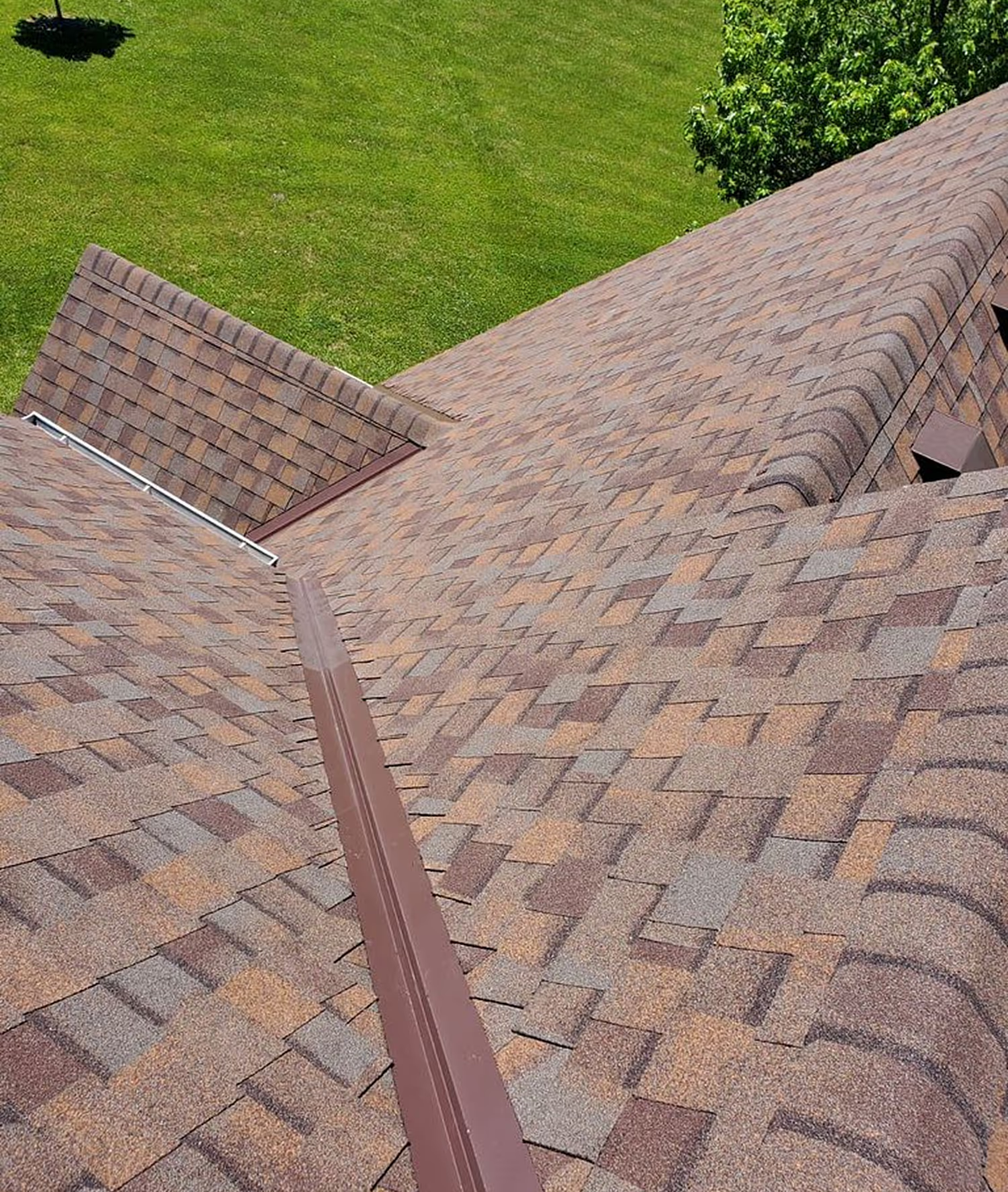
Roof Repair vs Roof Replacement: How Professionals Decide
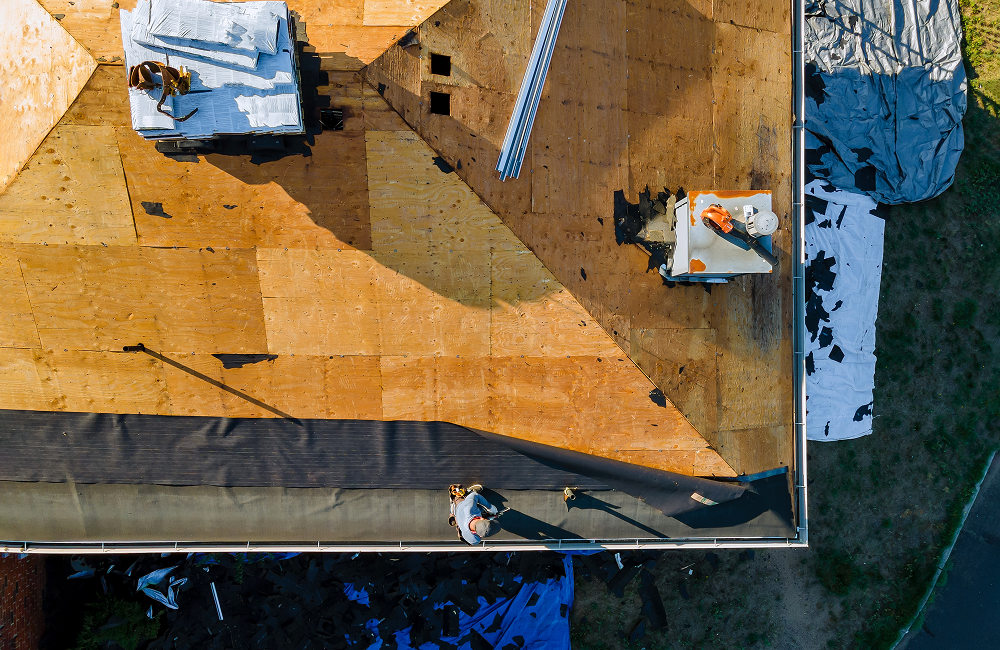
How Professionals Evaluate Roof Damage
When a roof shows signs of damage, the solution is not always obvious. Some roofs can be repaired safely and effectively. Others cannot. The difference comes down to condition, scope, and long-term risk, not preference. Roofing professionals rely on a consistent evaluation process to determine whether repair or replacement is appropriate. That process is rooted in physical evidence, not assumptions.
When roof repair is typically appropriate
Roof repair is considered when damage is limited in scope and the surrounding roofing system is still performing reliably.
Common repair situations include:
- Missing or damaged shingles confined to one area
- Localized flashing issues around penetrations
- Small leaks with a clearly identifiable entry point
- Isolated storm damage without underlying structural impact
In these cases, the roof’s core components remain intact. Repairs restore performance without compromising the rest of the system.
A key factor is containment. If the issue can be corrected without affecting adjacent materials, repair remains a viable option.
When replacement becomes the professional recommendation
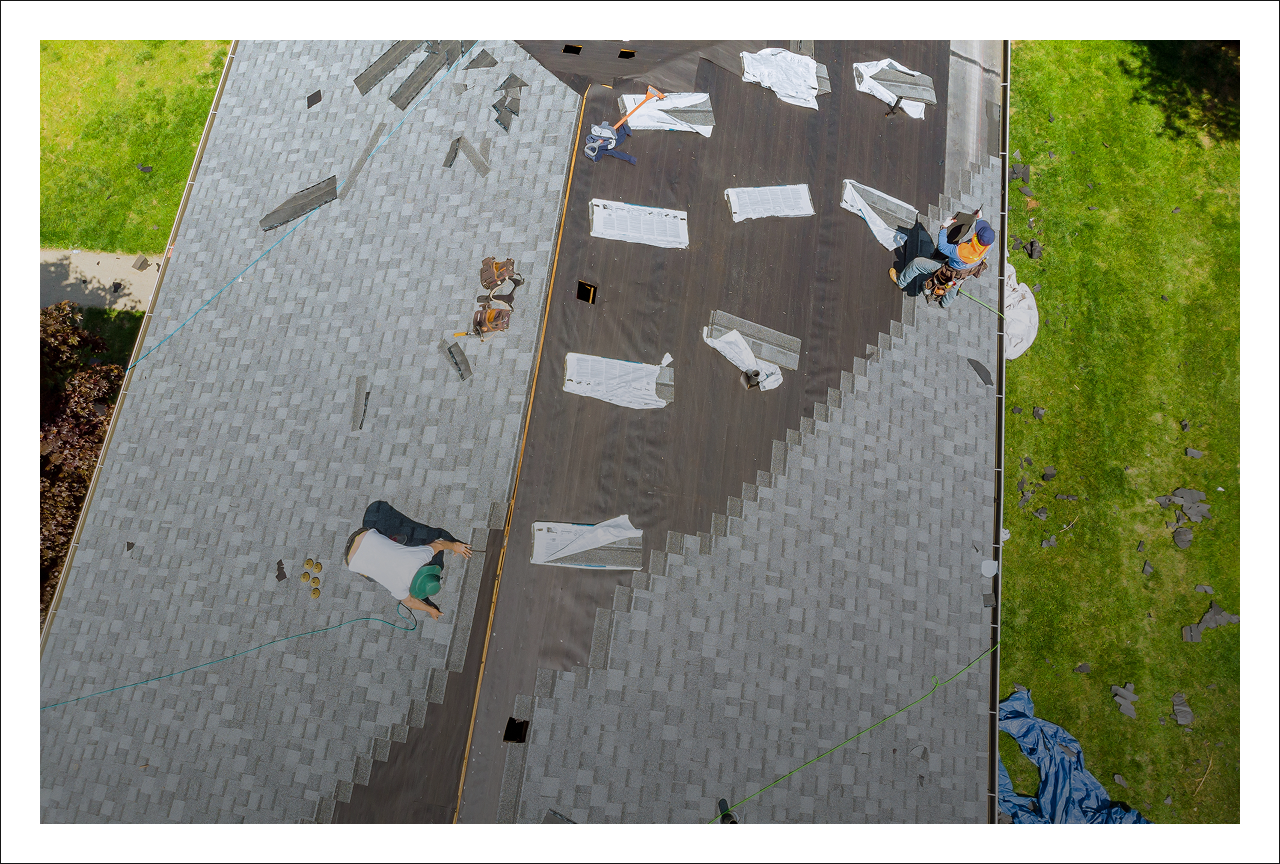
Replacement is recommended when problems extend beyond a single area or when the roof system no longer performs consistently as a whole.
Indicators that point toward replacement include:
- Widespread shingle wear or granule loss
- Multiple leak locations across different sections
- Soft, sagging, or compromised decking
- Repeated repairs in the same or expanding areas
- Roofing materials nearing the end of functional life
At this stage, repairs may temporarily reduce symptoms but do not address the underlying risk. Professionals focus on long-term reliability, not short-term fixes.
Why roof age influences the decision
Age alone does not dictate whether a roof is repaired or replaced. However, it affects confidence in the remaining materials.
A newer roof with isolated damage is more likely to support repair. An older roof showing uniform wear is evaluated more cautiously, even if the visible issue appears small.
This is not about cost efficiency. It is about predictability. Older materials carry a higher likelihood of failure outside the repaired area.
Structural condition outweighs surface appearance
Visual damage can be misleading. Some roofs look severe from the ground but remain structurally sound. Others appear acceptable while hiding deeper problems.
Professionals assess:
- Decking firmness and integrity
- Evidence of trapped moisture beneath the surface
- Ventilation performance and heat buildup
- Signs of long-term stress or movement
Surface repairs mean little if the structure beneath cannot support them.
How repair history affects future decisions
A roof’s repair history plays a major role in evaluation.
A first-time issue with no prior problems is treated differently than a roof with repeated patching. Multiple repairs often signal that failure is spreading rather than isolated.
Professionals look at patterns, not just the current issue.
The gray area between repair and replacement
Not every roof falls neatly into one category.
Some roofs can technically be repaired but carry higher risk of recurring problems. Others may continue performing for years after a repair, even though replacement will eventually be required.
In these cases, professionals weigh:
- likelihood of future failures
- safety and performance expectations
- how much uncertainty remains after repair
The decision becomes risk-based rather than absolute.
Why this distinction matters when reviewing services
Understanding how professionals separate repair scenarios from replacement scenarios explains why roofing services are structured the way they are.
For homeowners researching roof repair or roof replacement, this evaluation process clarifies how scope is determined before any work begins.
Related News & Articles
Stay informed with expert insights, practical tips, and real stories to protect your property and plan smarter improvements every season.



Don’t Miss The Next Property Tips & Advice
Fresh guidance on roofing and property care, delivered straight to your inbox. Stay informed, stay ahead, and keep your investment protected.