Why Commercial Buildings Use Flat Roofs
How Commercial Roof Design Is Determined
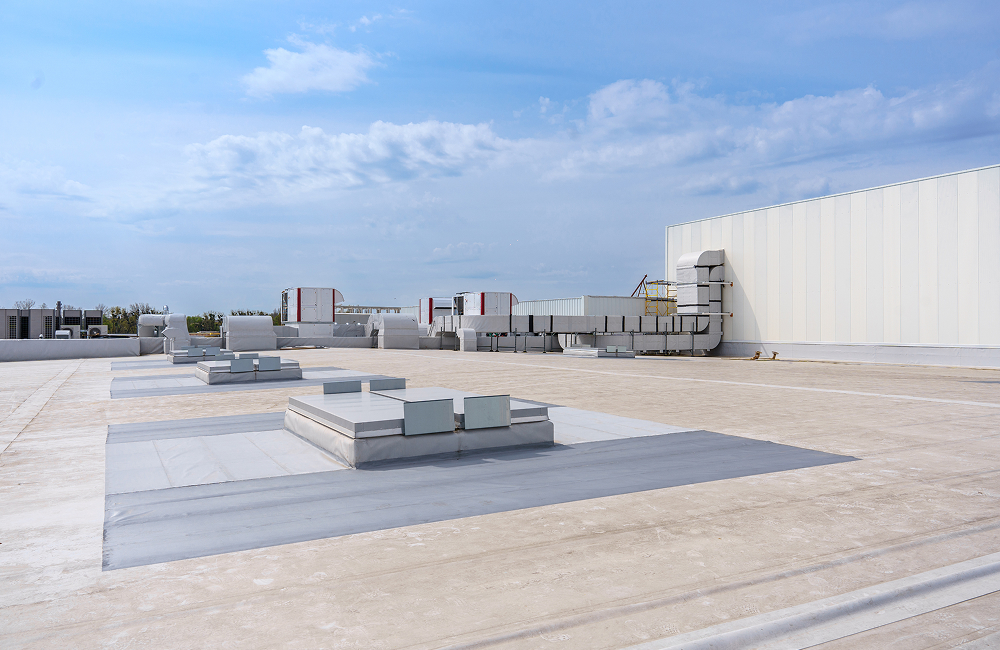
Commercial roofs are not flat by accident. They are designed that way because flat systems solve specific structural, functional, and operational problems that commercial buildings face.
Unlike residential roofs, which prioritize water shedding and aesthetics, commercial roofs are engineered around efficiency, access, load management, and long term performance across large surface areas. Flat roofing systems allow buildings to meet those demands in ways sloped roofs cannot.
Understanding why flat roofs are used helps clarify how commercial buildings are designed and why these systems remain the standard across industries.
Flat roofs support large building footprints
Commercial buildings often cover far more square footage than residential structures. Warehouses, retail centers, office buildings, and manufacturing facilities require wide spans without unnecessary structural complexity.
Flat roofs make this possible by:
- reducing the need for complex truss systems
- allowing consistent load distribution across large areas
- simplifying structural engineering for wide footprints
A sloped roof across the same area would require additional framing, increased material use, and higher construction costs without offering functional advantages for commercial use.
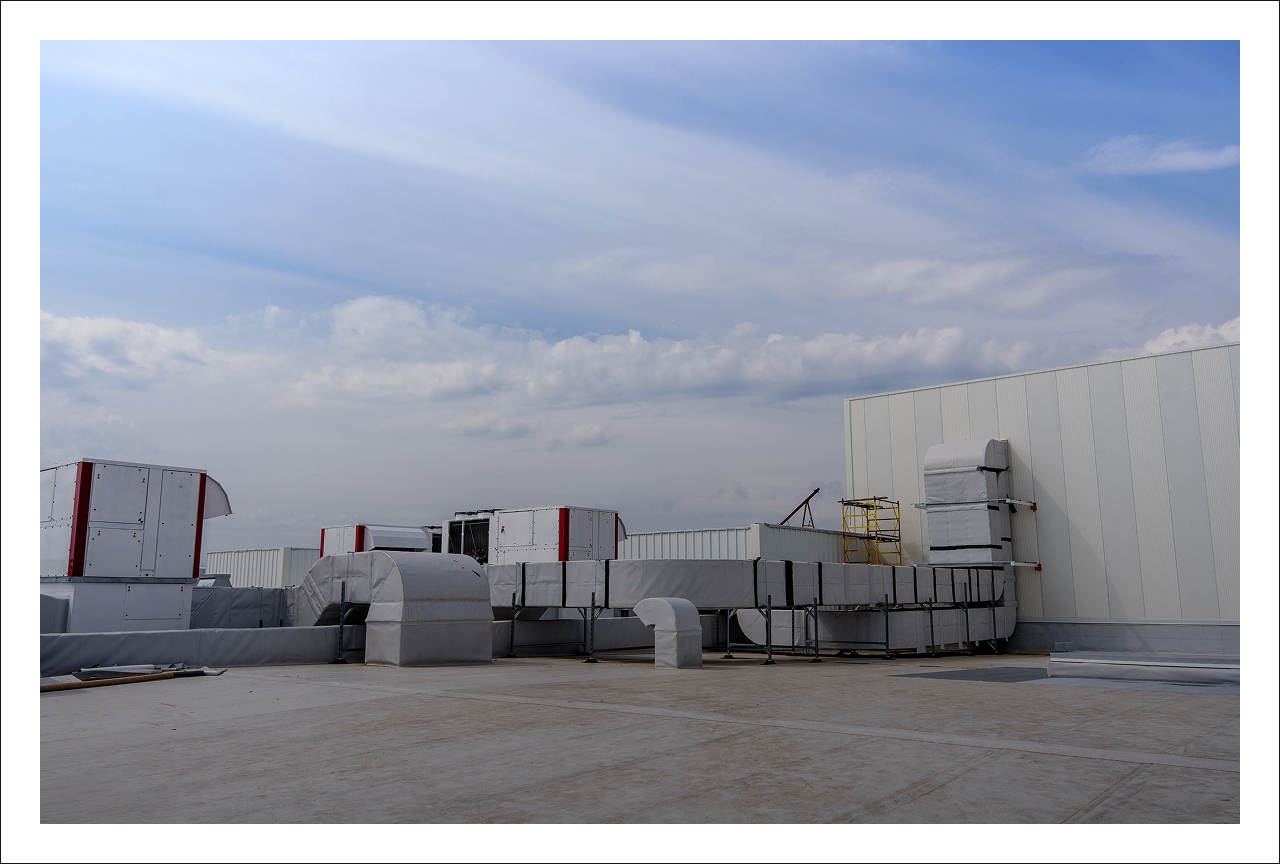
Mechanical systems require roof access
Commercial buildings rely on rooftop equipment that residential buildings do not.
HVAC units, exhaust systems, cooling equipment, and ventilation components are commonly installed on commercial roofs. Flat roofing systems provide:
- safe and stable access for maintenance
- space for multiple mechanical units
- predictable load support for heavy equipment
Sloped roofs complicate equipment placement and maintenance. Flat roofs allow systems to be serviced efficiently without disrupting building operations.
Flat roofs simplify drainage design
While flat roofs appear level, they are built with subtle slopes that direct water toward internal drains, scuppers, or gutters.
This approach allows engineers to:
- control drainage paths precisely
- reduce exterior downspout clutter
- integrate drainage into the building’s internal infrastructure
On large commercial buildings, this level of drainage control is more practical than relying on perimeter runoff alone.
Construction efficiency matters at scale
Commercial roofing decisions are often driven by repeatability and predictability.
Flat roofing systems:
- use standardized materials
- install efficiently across large surfaces
- reduce labor complexity
- simplify long term maintenance planning
These efficiencies matter when roofing systems must perform consistently across thousands of square feet.
Flat roofs support future flexibility
Commercial buildings change over time. Tenants shift. Equipment is upgraded. Interior layouts evolve.
Flat roofs allow for:
- easier modifications
- additional equipment installation
- future system upgrades without structural redesign
This flexibility is critical for property owners managing buildings over long lifecycles.
Why flat does not mean simple
Flat roofs require precise design and installation. Drainage, membrane selection, insulation placement, and flashing details all play critical roles in performance.
The system works because it is engineered, not because it is basic.
When designed and maintained correctly, flat commercial roofs provide durability, access, and efficiency that sloped systems cannot match at commercial scale.
How this fits into commercial roofing decisions
Understanding why commercial roofs are flat provides context for how systems are evaluated, maintained, and eventually replaced.
It explains why commercial roofing involves different materials, inspection standards, and performance expectations than residential roofing.
This design choice is foundational to how commercial buildings function.
Related News & Articles
Stay informed with expert insights, practical tips, and real stories to protect your property and plan smarter improvements every season.



Don’t Miss The Next Property Tips & Advice
Fresh guidance on roofing and property care, delivered straight to your inbox. Stay informed, stay ahead, and keep your investment protected.