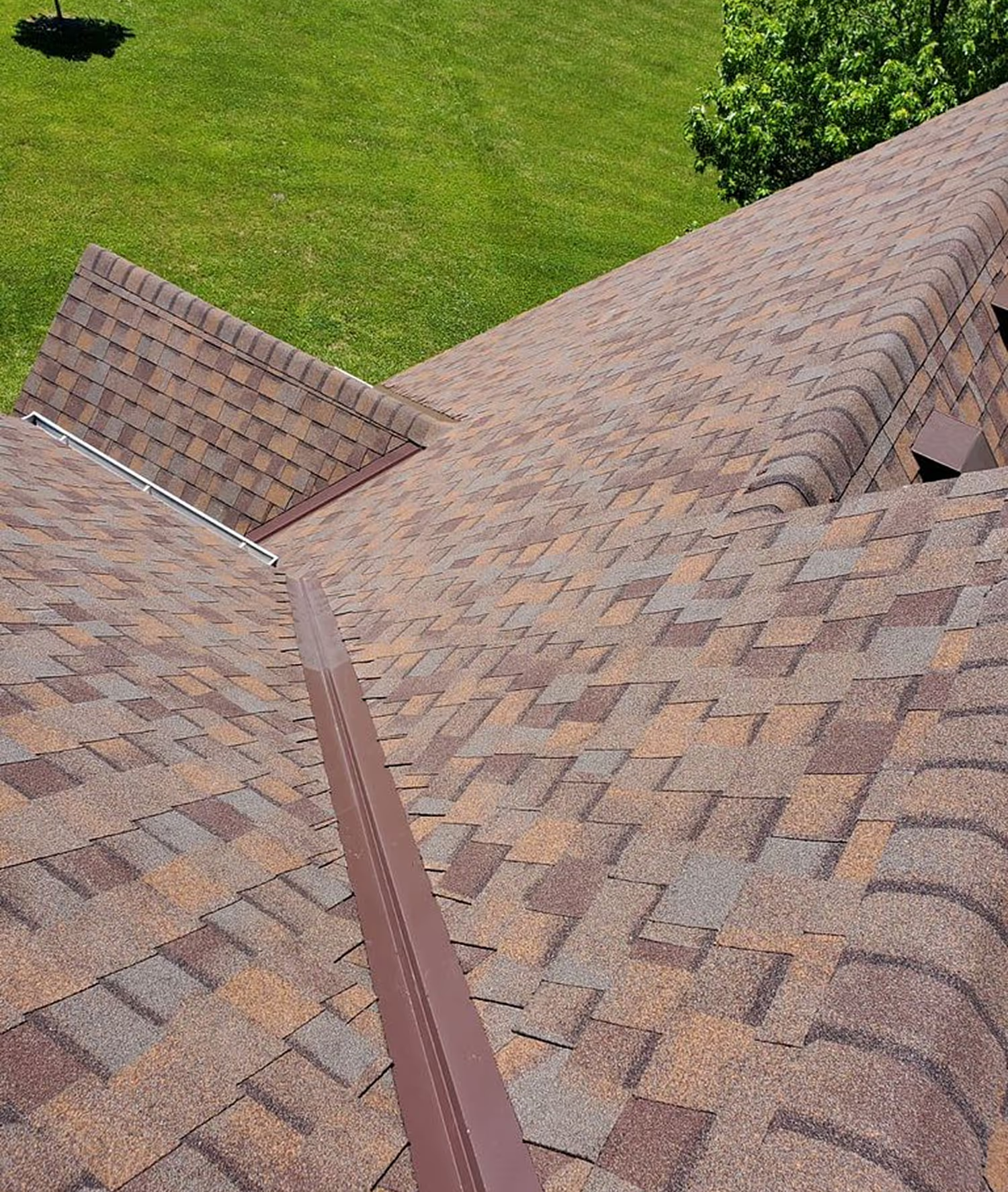
Asphalt Shingle Roof Maintenance: A Homeowner's Guide
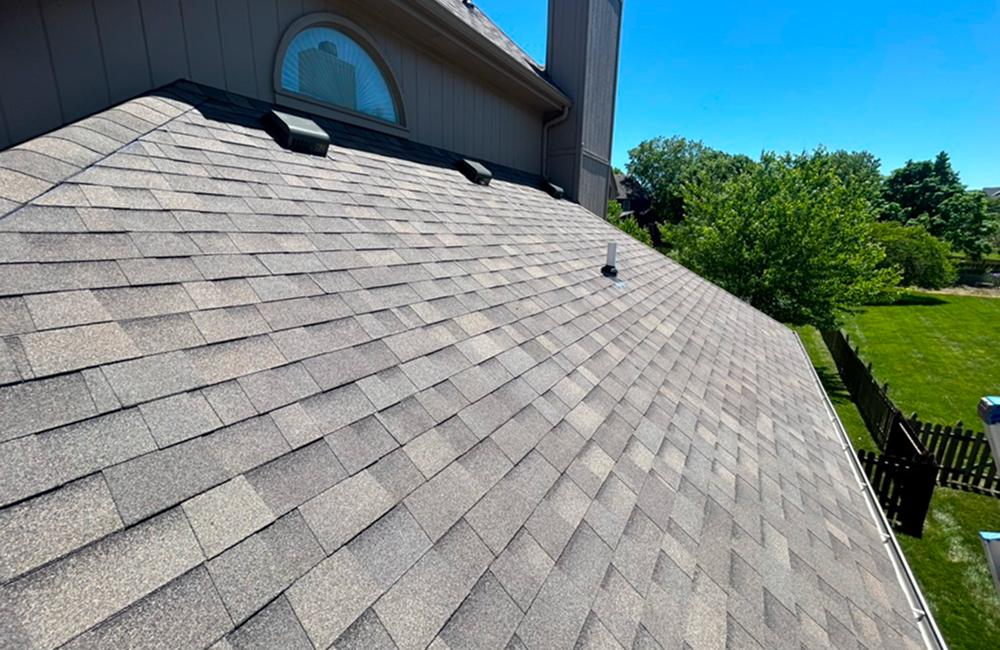
Asphalt shingles are the most common residential roofing material in the country for good reason — they're cost-effective, durable, and relatively low-maintenance. But "low-maintenance" doesn't mean no maintenance.
A roof that gets regular attention will reliably hit its rated lifespan. One that gets ignored will start failing years early, and the problems that develop from neglect — rot, moisture intrusion, structural damage — cost far more to fix than the maintenance that would have prevented them.
This guide covers what asphalt shingle roof maintenance actually involves, broken down by task and timing.
The Inspection Cadence
Twice a year is the standard — spring and fall. Spring inspection catches anything that developed over winter: ice damage, freeze-thaw stress, debris accumulation. Fall inspection prepares the roof for the season ahead, identifies any summer wear, and gives you time to address issues before snow and ice load the system.
When you schedule a roof inspection professionally, a contractor will walk the roof surface and check shingles, flashing, gutters, penetrations, and the ridge. From the ground, a homeowner can do a reasonable preliminary check using binoculars — looking for obvious missing or curling shingles, debris accumulation in valleys, and discoloration patterns. But a ground inspection misses flashing condition, nail pops, and the subtle signs that show up when someone is actually on the roof.
If your area experiences a significant storm — large hail, high sustained winds, falling branches — add an inspection to the schedule. Don't wait for the next semi-annual check.
Debris Management
Debris on roof surfaces is one of the most underestimated maintenance issues. Leaves, branches, seed pods, and organic matter that accumulate on the roof surface hold moisture against the shingles and in valleys, accelerating deterioration faster than weather exposure alone.
Roof debris damage compounds when material sits long enough to mat down and create sustained wet contact with the shingles. Organic matter also feeds moss and algae growth, which creates its own set of problems.
The specific areas to prioritize:
- Valleys. Where two roof slopes meet, debris concentrates and water volume is highest. Packed roofing debris in a valley slows drainage, holds moisture, and creates conditions for seam failure under the shingles.
- Around penetrations. Debris piles up around chimneys, vents, and skylights. These are already flashing-dependent vulnerable points — adding sustained moisture from debris accumulation to an already high-risk area speeds up failure.
- Gutters and eaves. Gutters clogged with debris can't drain, which backs up water at the eave line. In winter, that standing water is exactly what creates ice dams.
Clearing debris from the roof surface requires care — foot traffic on shingles scuffs granules. Using a roof rake or soft brush rather than walking the surface whenever possible extends shingle life.
Gutter Maintenance
Gutters are part of the roof system, not a separate category. When gutters fail to drain, the roof pays the price.
Clean gutters twice a year minimum — once in late fall after leaves have dropped, once in spring. In areas with heavy tree coverage, quarterly cleaning may be warranted. The objective is free drainage at all times: water that can't move through the gutter backs up against the fascia and eave, which accelerates wood rot and creates the standing water conditions that drive ice dam formation.
While cleaning gutters, check the attachment points. Gutters that have pulled away from the fascia create gaps where water runs behind the gutter and down the fascia rather than through the downspout. This is a common and easily overlooked failure point.
Moss and Algae Discoloration
Algae discoloration on asphalt shingles shows up as dark streaking — typically black or dark green — running in the direction of water flow. It's caused by Gloeocapsa magma, an airborne algae that colonizes shingle surfaces and feeds on the limestone filler in asphalt shingles. It's more of an accelerant to granule loss than a structural threat, but it does degrade shingles over time and the streaking significantly affects curb appeal.
Moss is a different problem. Where algae creates surface staining, moss physically roots into the shingle surface and holds moisture against it. Established moss lifts shingle edges as it grows, creating water infiltration points that wouldn't otherwise exist.
Treatment options:
- Zinc or copper strips installed at the ridge line create a slow-release antimicrobial runoff every time it rains. This is a preventive measure, not a cure for existing growth.
- Commercial moss and algae treatments applied by spray can kill existing growth. Never use a pressure washer on asphalt shingles — it blasts off granules and shortens shingle life significantly.
- Trimming overhanging branches reduces shade and debris, which are the two conditions that accelerate algae and moss colonization.
Shingle Condition Monitoring
Shingle maintenance is primarily about knowing what to look for and catching problems while they're still contained.
- Granule loss. Some granule shedding is normal, especially on newer shingles. Accelerating granule loss — gutters full of granules, bare patches visible on the shingle surface — signals shingles that are approaching or past their effective life. Roof shingles shedding granules heavily in concentrated areas, without corresponding storm damage, often indicates blistering, aging, or impact damage underneath.
- Curling and cupping. Shingles that curl upward at the edges or cup in the center have lost their structural integrity. This is an aging sign, not weather damage, and it means the shingles are no longer lying flat enough to shed water reliably.
If these signs are showing up consistently across multiple areas of the roof, the maintenance question shifts from upkeep to timeline. Roofing maintenance for aging roofs covers what that progression looks like and when continued maintenance stops being the right call.
- Missing shingles. A missing shingle exposes the underlayment and deck to direct weather. Replace individual missing shingles promptly — the underlayment is not rated for sustained exposure.
- Cracked shingles. Thermal cycling causes asphalt shingles to expand and contract over time. Cracks that run across a shingle are a late-stage aging indicator. Isolated cracked shingles can be replaced; widespread cracking is a system-level signal.
- Nail pops. Nails that back out slightly over time lift the shingle surface above them and create a small gap. They're not visible from the ground but show up in professional inspections. Left unaddressed, nail pops become water entry points.
Ventilation Check
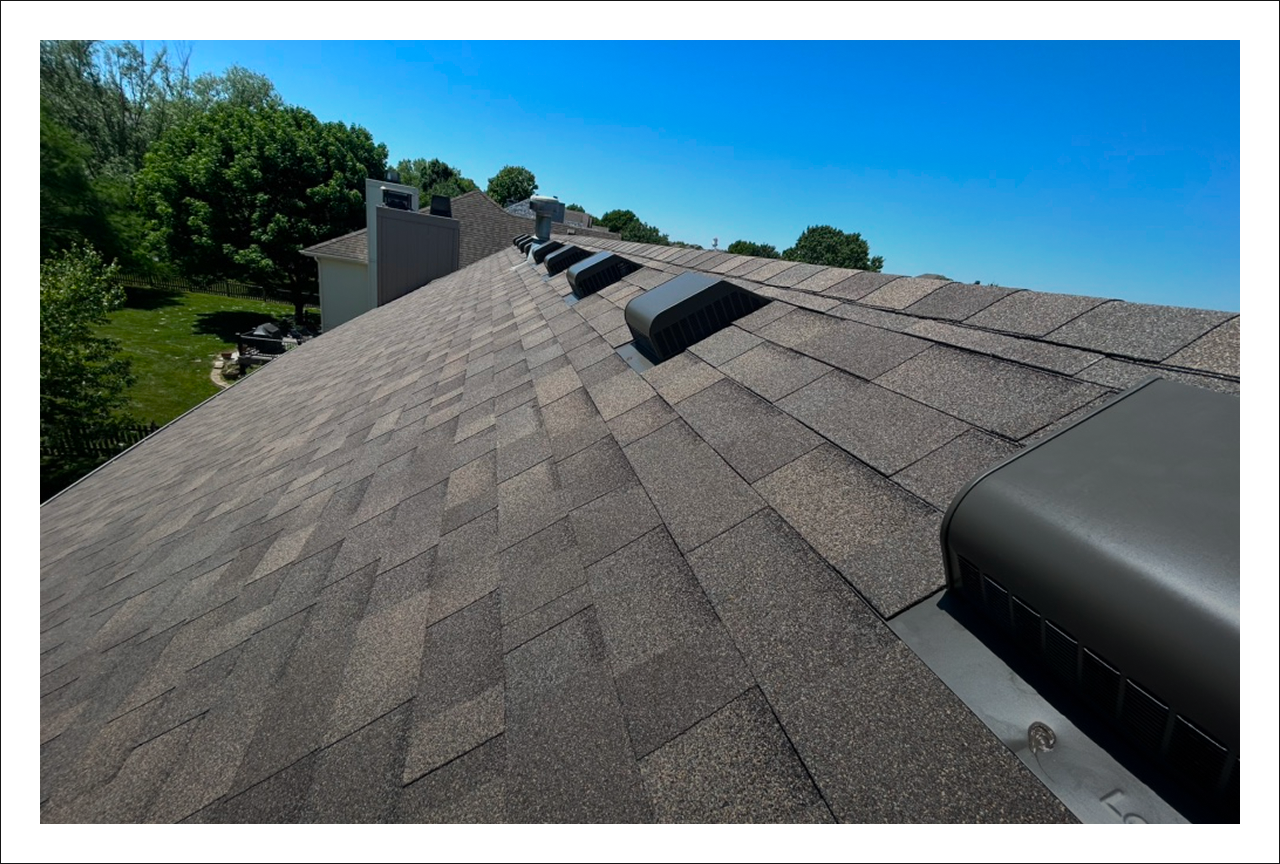
Attic ventilation is part of asphalt shingle roof maintenance even though it's an interior item. Inadequate ventilation drives heat buildup that shortens shingle life from the underside — the mechanism behind blistering and accelerated aging. If your attic is noticeably hot in summer or shows moisture staining in winter, the ventilation system needs evaluation.
The standard benchmark is one square foot of net free ventilation area per 150 square feet of attic floor. Most code-compliant installations aim for a balanced ridge-and-soffit system. An imbalanced system — all exhaust, no intake, or vice versa — is often worse than an undersized balanced system.
When to Call a Professional
Homeowner-level maintenance covers visual monitoring, debris clearing, and gutter maintenance. A professional roof inspection adds the physical roof walk, the close examination of flashings, the check of penetration seals, and the documentation of overall condition.
Get a professional involved when:
- You're seeing interior signs of moisture intrusion — ceiling stains, attic dampness.
- Multiple shingles are missing or visibly damaged after a storm.
- The roof is more than 15 years old and hasn't been inspected in the last two years.
- You're noticing accelerating granule loss or widespread curling across sections.
- You're buying or selling a home — a professional inspection documents roof condition for both parties.
The Bottom Line
Asphalt shingle maintenance is straightforward in practice: inspect twice a year, keep debris and gutters clear, monitor shingle condition, and address problems while they're small. The cost of consistent upkeep is a fraction of the cost of the problems that develop when it's skipped. If you're due for a professional roof inspection or have noticed something that warrants a closer look, Easton Roofing can assess your roof's current condition and walk you through what it needs.
Related News & Articles
Stay informed with expert insights, practical tips, and real stories to protect your property and plan smarter improvements every season.




Don’t Miss The Next Property Tips & Advice
Fresh guidance on roofing and property care, delivered straight to your inbox. Stay informed, stay ahead, and keep your investment protected.