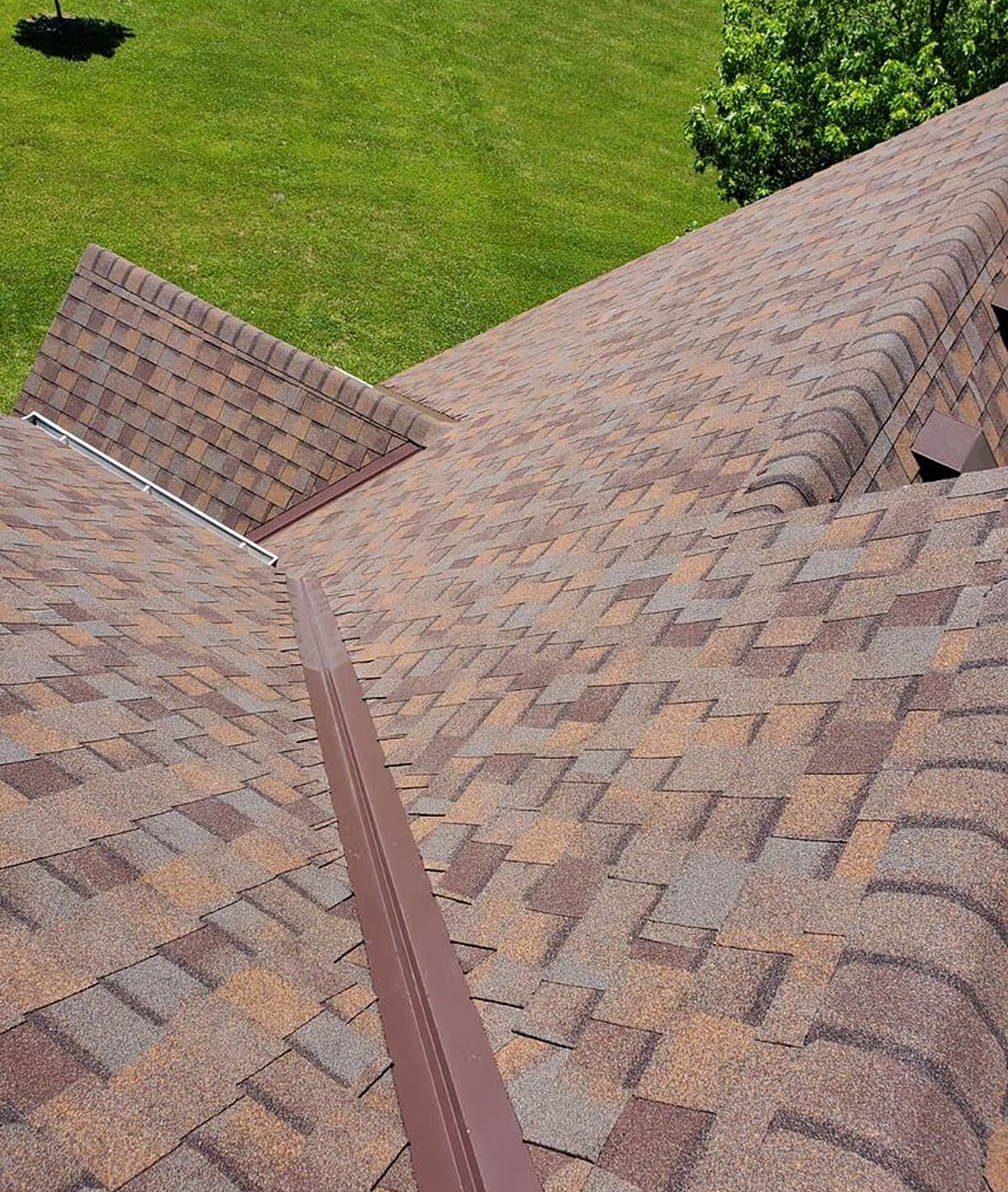
Is Granule Loss in Your Asphalt Shingle Roof a Big Deal?

When it comes to maintaining the integrity and longevity of your home’s roof, understanding the condition and potential issues with asphalt shingles is paramount.
One common concern for homeowners is granule loss in asphalt shingles. This post aims to explore what granule loss signifies for your roof’s health, its causes, and when it’s time to call in the experts from Easton Roofing.

Understanding Granule Loss in Asphalt Shingles
Granules are tiny, coarse particles embedded on the surface of asphalt shingles. They serve several critical roles: protecting the asphalt coating from UV rays, providing fire resistance, and contributing to the aesthetic appeal of the shingle. Over time, some granule loss is inevitable due to natural weathering and environmental conditions. However, excessive granule loss can be a sign of accelerated wear or underlying issues.
- Aging: As shingles age, granule loss becomes more noticeable. This is a natural part of the wear and tear process.
- Storm Damage: Hailstorms, heavy rains, and strong winds can cause immediate and severe granule loss.
- Manufacturing Defects: Occasionally, shingles might have a manufacturing flaw, leading to early granule loss.
- Physical Damage: Walking on your roof or improper installation can dislodge granules.
- Roof Ventilation Issues: Poor attic ventilation can cause heat buildup, accelerating the aging process of shingles.
Is Granule Loss a Sign to Worry?
While finding loose granules in your gutters or downspouts can be alarming, it’s not always a cause for immediate concern. Minor granule loss is expected, especially after a new roof installation or following severe weather events. It becomes a problem when the loss is substantial enough to expose the asphalt layer, making the shingles more susceptible to further damage.
When to Contact Easton Roofing
Identifying when granule loss is indicative of a more serious issue can be challenging for most homeowners. There are a few signs that it’s time to have a professional from Easton Roofing assess your roof:
- Bare Spots: Large areas where the asphalt layer is exposed are clear indicators that the shingles are near the end of their lifespan.
- Consistent or Accelerated Loss: If granule loss seems to be happening at an accelerated pace or consistently over time, it’s a sign that the shingles might be defective or improperly installed.
- After Severe Weather Events: It’s wise to have your roof inspected after significant weather events to ensure that what appears to be minor damage doesn’t lead to more serious issues.
Preventing Excessive Granule Loss
While you can’t stop the natural weathering process, regular maintenance and prompt repairs can extend the lifespan of your roof. Scheduling annual inspections, cleaning your gutters regularly, and addressing minor issues promptly can prevent situations where granule loss becomes a significant problem.
We’re Just a Call Away
Granule loss in asphalt shingles is a phenomenon that homeowners in Kansas City, MO, should monitor but not necessarily worry about without due cause. Understanding the distinction between normal aging and potential warning signs can save you from unnecessary stress.
When in doubt, enlisting the expertise of Easton Roofing professionals can provide peace of mind and ensure the longevity of your roof. Staying vigilant and proactive about roof maintenance is the key to navigating concerns like granule loss. For residents of Kansas City, MO, Easton Roofing provides both roofing estimates and inspection services with expertise and reliability. Contact us today at (913) 257-5426 or visit our contact page to request a consultation. We serve residents in Kansas City and the neighboring MO counties.
Related News & Articles
Stay informed with expert insights, practical tips, and real stories to protect your property and plan smarter improvements every season.



Don’t Miss The Next Property Tips & Advice
Fresh guidance on roofing and property care, delivered straight to your inbox. Stay informed, stay ahead, and keep your investment protected.