Does a New Roof Increase Home Value?
Does a New Roof Increase Home Value?
When homeowners consider a roof replacement, the question of value comes up quickly. Will a new roof actually make the home worth more? And if so, how much?
The honest answer is yes — a new roof adds value, but the return varies depending on the material you choose, the condition of the roof you're replacing, the local market, and what buyers in your area expect. Here's what the research and real-world experience actually show.

What the Numbers Actually Look Like
Remodeling Magazine's annual Cost vs. Value report consistently tracks roofing as one of the stronger home improvement investments for resale. Asphalt shingle replacement typically returns somewhere in the range of 60 to 70 percent of the project cost in added resale value. That means a $15,000 roof replacement might add $9,000 to $10,000 to what buyers are willing to pay.
That's not a dollar-for-dollar return, and it's not meant to be. The value of a new roof isn't only in the premium it adds — it's also in what it prevents. A roof that's past its useful life can actively work against a sale, triggering lower offers, repair credits, or deals falling apart at inspection.
Why Buyers Pay Attention to the Roof
A roof is one of the first things a buyer's inspector flags and one of the first things a lender looks at. An aging or visibly worn roof introduces uncertainty into a transaction — buyers don't know how much life is left, what it will cost to replace, or whether it's already causing moisture issues inside the home.
A new roof removes that uncertainty entirely. It's a known quantity with a documented installation date, a warranty, and years of expected service life ahead of it. For buyers trying to avoid near-term repair costs, that matters — and they'll often pay more for a home where that work has already been done.
The Material You Choose Affects the Return
Not all roofing materials add the same value. A few things worth knowing:
- Architectural asphalt shingles are the most common choice and offer solid return for the cost. They're what most buyers in a typical residential market expect to see, and a clean, well-installed architectural shingle roof reads as move-in ready.
- Metal roofing carries a longer lifespan — often 40 to 70 years — and can command a premium in markets where buyers understand its durability. It also tends to appeal to buyers focused on energy efficiency and long-term maintenance costs.
- Premium materials like slate or tile can significantly increase curb appeal and perceived value, particularly on higher-end homes where the investment is proportional to the property. On a more modest home, the cost may outpace what the market will return.
- Impact-resistant shingles rated Class 3 or Class 4 are worth considering in the Kansas City area given the frequency of hail. Beyond the insurance premium benefit they may carry, they signal to buyers that the roof was chosen with durability in mind — not just lowest upfront cost.
How Much the Existing Roof Condition Matters
The starting point affects the return. If the existing roof is 8 years old and in good shape, replacing it before a sale may not add much — buyers will see an adequate roof and price accordingly. If it's 22 years old, showing curling shingles and granule loss, replacing it before listing can mean the difference between a clean transaction and a difficult one.
In a market where buyers are cautious and inspections are thorough, a worn roof gives negotiating leverage to the other side of the table. Replacing it ahead of listing takes that leverage away.
Value Isn't Only About Selling
It's worth noting that resale value is only one part of the equation. A new roof also adds value in ways that don't show up on a comparative market analysis:
- Reduced risk of interior water damage and the repair costs that come with it
- Potential reduction in homeowner's insurance premiums, particularly with impact-rated materials
- Improved energy efficiency through better insulation and ventilation performance
- Peace of mind that a major system in the home is not quietly becoming a problem
For homeowners who plan to stay in their home for years before selling, those benefits compound over time. The value isn't just in what a buyer eventually pays — it's in what you don't spend on repairs and what you don't lose on a compromised sale.
The Bottom Line
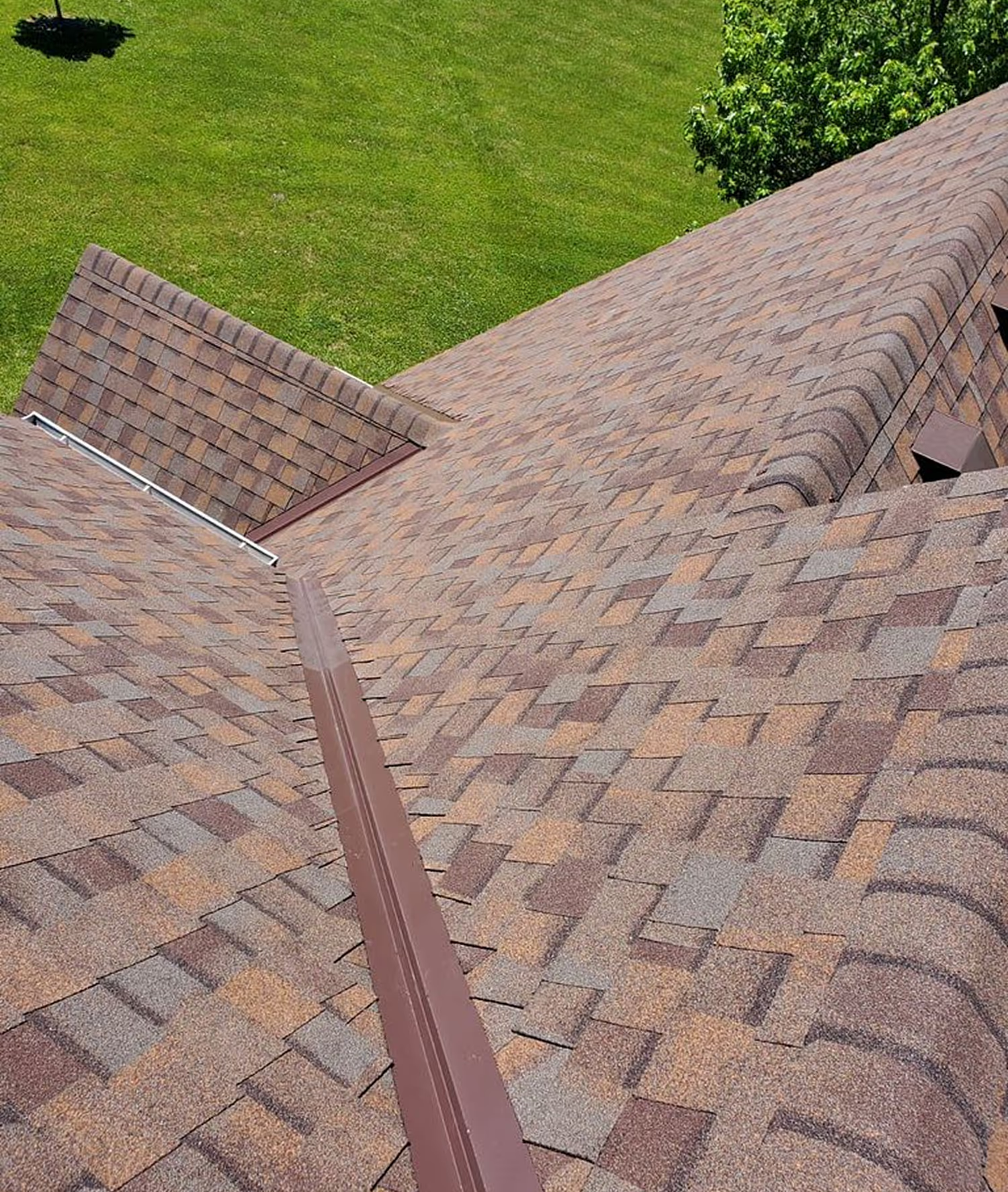
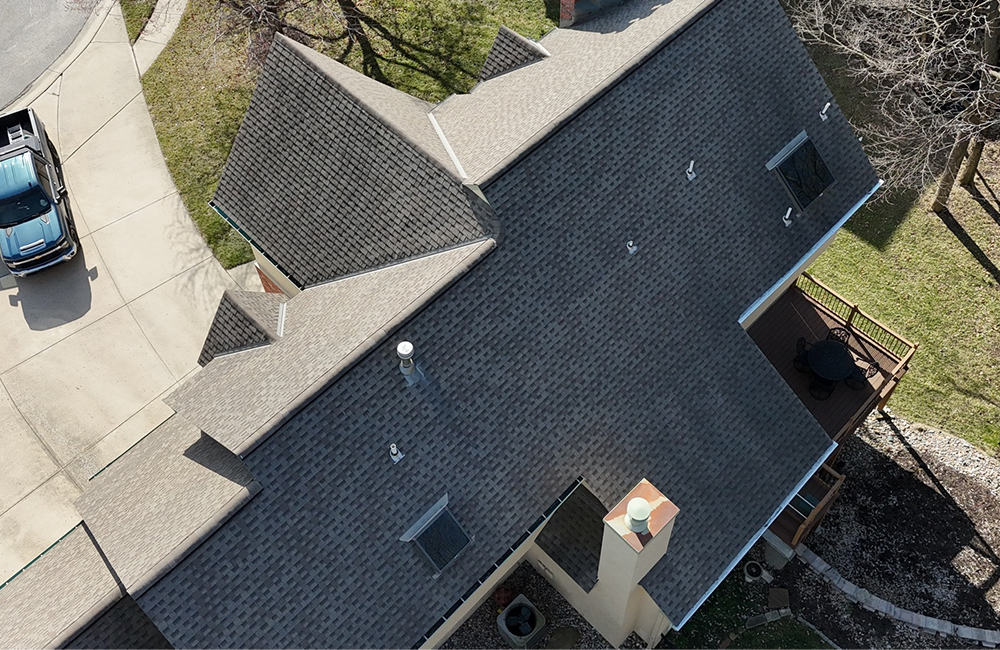
A new roof does increase home value — not always dollar for dollar, but meaningfully. The strongest returns come when you're replacing a roof that's clearly aging, when you choose quality materials suited to the local climate, and when you're selling in a market where buyers are scrutinizing condition carefully.
If you're trying to understand your options before making a decision, a roof inspection is a useful starting point. It gives you an honest picture of where the existing roof stands and what a replacement would realistically involve.
Related News & Articles
Stay informed with expert insights, practical tips, and real stories to protect your property and plan smarter improvements every season.



Don’t Miss The Next Property Tips & Advice
Fresh guidance on roofing and property care, delivered straight to your inbox. Stay informed, stay ahead, and keep your investment protected.