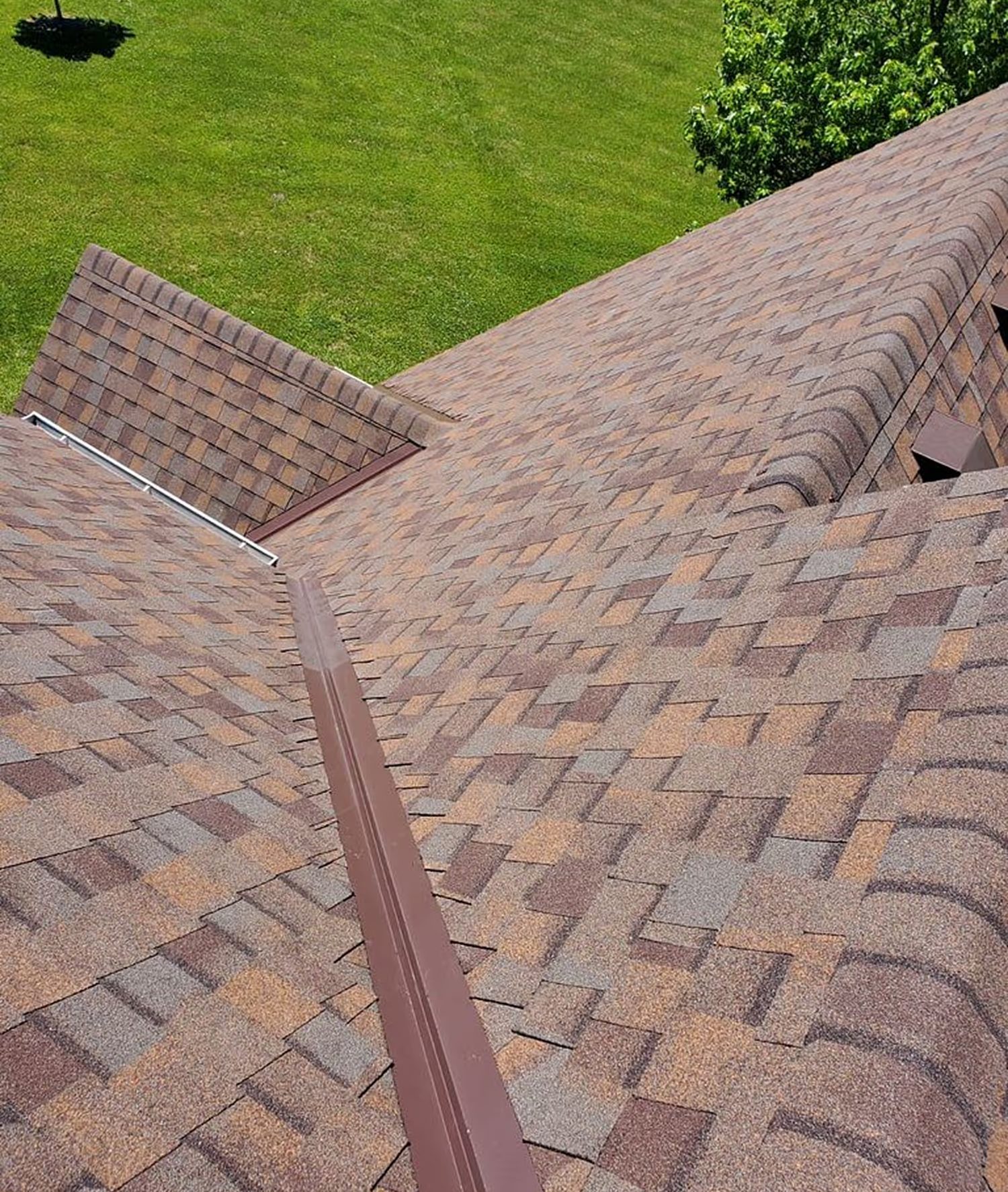
What Are Eco-Friendly Roofing Options?
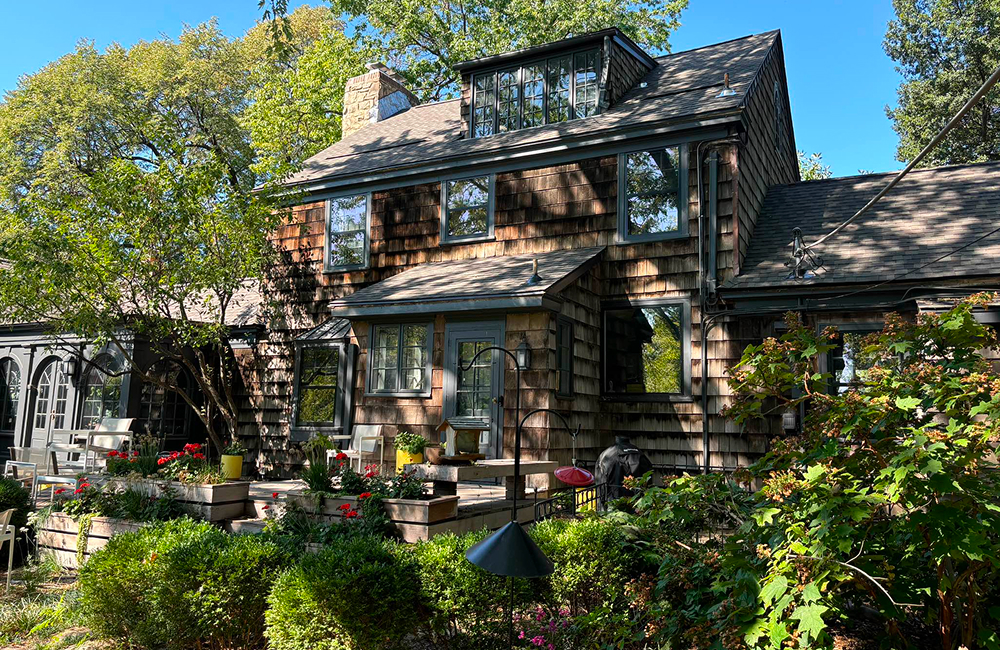
If you're replacing a roof and wondering whether you can make a more sustainable choice, the short answer is yes — and the range of options is wider than most homeowners expect.
Green roofing isn't a single product. It's a category that includes materials designed to last longer, reflect more heat, reduce energy consumption, or incorporate recycled content. Some options check multiple boxes. Others make more sense depending on your home, your budget, and what matters most to you.
Here's a practical breakdown of what's actually available and how to think about the tradeoffs.
What Makes a Roofing Material "Eco-Friendly"?
The term gets used loosely, so it helps to know what it actually means in a roofing context. A material can be considered more sustainable for several different reasons:
- Reduced waste at replacement. When a roof needs to come off, the old material has to go somewhere. Some materials, particularly asphalt shingles, generate significant landfill waste. Others can be reclaimed or recycled.
- Longevity. A roof that lasts 50 years instead of 20 requires less manufacturing, less installation labor, and produces less waste over time. Durability is one of the most straightforward environmental advantages.
- Energy efficiency. Energy efficient roofing materials reflect solar heat rather than absorbing it, reducing cooling loads and cutting how hard your HVAC system has to work. In a hot Kansas City summer, this matters.
- Recycled or recyclable content. Some sustainable roofing materials are made from recycled inputs — rubber roofing from old tires, or steel roofing from recycled metal. Others, like metal roofing, are fully recyclable at end of life.
Most eco-friendly roofing options offer a combination of these benefits rather than just one.
Metal Roofing
Metal is the strongest all-around performer on sustainability. A properly installed metal roof typically lasts 40 to 70 years — two to three times the lifespan of standard asphalt shingles. It reflects solar radiation rather than absorbing it, which reduces cooling costs. And at end of life, it's fully recyclable.
Steel roofing is also frequently made from recycled content. Standing seam metal in particular is considered one of the most durable and low-maintenance energy efficient roofing systems available for residential use.
The tradeoff is upfront cost. Metal runs significantly higher than asphalt shingles at installation. Over the life of the roof, the math often works out favorably — you may replace asphalt two or three times before a metal roof needs attention. But the initial investment is real.
Eco-Friendly Shingles: Impact-Resistant and Beyond
Standard asphalt shingles are the most common roofing material in the country, and they're not particularly eco-friendly by default — they have a shorter lifespan, are difficult to recycle, and generate significant waste when replaced.
Impact-resistant shingles change that calculus. Class 3 and Class 4 rated eco-friendly shingles are designed to hold up better against hail and wind, which extends their effective lifespan and reduces the likelihood of premature replacement. In Kansas City, where hail is a regular occurrence, this is a meaningful practical advantage.
Beyond impact resistance, some manufacturers now produce eco friendly roof shingles that incorporate recycled materials — blending post-consumer rubber or plastic into the shingle composition. These offer similar aesthetics to conventional asphalt while reducing the demand for virgin raw materials.
Impact-resistant shingles also often qualify for homeowner's insurance discounts, which helps offset the slightly higher cost over standard options.
Cool Roof Technology
"Cool roofing" refers to materials — and coatings applied to existing materials — that reflect more sunlight and absorb less heat than standard roofing. The result is a lower roof surface temperature, which reduces the amount of heat transferred into the building and cuts cooling costs.
Cool roof coatings can be applied to existing flat commercial roofs or low-slope systems. For residential applications, lighter-colored shingles and specially formulated reflective shingles achieve similar results. The EPA's ENERGY STAR program certifies energy efficient roofing products that meet specific reflectance and thermal emittance standards.
This is particularly relevant for commercial properties with large flat roof areas, where heat gain through the roof is a significant contributor to energy costs.
Solar Roofing and Solar Panels
Solar shingles and solar panel installations represent the furthest end of the green roofing spectrum — they don't just reduce energy consumption, they generate it. Traditional solar panel installations mount over an existing roof. Solar shingles, made by manufacturers like GAF Energy, integrate directly into the roof surface.
Both approaches involve significant upfront investment and require professional structural and electrical assessment. Solar roofing makes the most sense on homes with south-facing roof planes, sufficient sun exposure, and owners who plan to stay long enough to recoup the investment through energy savings.
Tax incentives under the Inflation Reduction Act have made solar installations more financially accessible. The federal solar tax credit currently allows homeowners to deduct a percentage of installation costs from their federal taxes — worth confirming current rates with a tax professional, as these figures adjust periodically.
Recycled and Composite Sustainable Roofing Materials
A growing category of roofing uses recycled content directly. Rubber roofing made from recycled tires, composite shingles that blend recycled plastics and rubber, and reclaimed slate or clay tile are all options for homeowners willing to research and source them.
Composite eco friendly roof shingles that mimic the appearance of slate or wood shake while incorporating recycled content have improved significantly in recent years. They're worth considering if you want the aesthetic without the weight or cost of natural slate — and they produce less waste than conventional asphalt at end of life.
How to Think About the Tradeoffs
There's no single best sustainable roofing material — it depends on your priorities.
- If longevity and reduced lifetime waste matter most: metal roofing.
- If upfront budget is a constraint but you want a more durable option: impact-resistant eco friendly shingles.
- If reducing energy costs and heat gain is the priority: cool roof coatings or energy efficient roofing products with reflective ratings.
- If you want to generate energy and have the right home for it: solar.
- If you're replacing a commercial flat roof: TPO and PVC membranes with reflective properties are the standard and perform well on energy efficiency.
It's also worth noting that the most eco-friendly decision is often keeping a functional roof in good repair rather than replacing it prematurely. Extending the life of an existing roof through maintenance delays the waste and energy cost of a full replacement.
The Bottom Line
Green roofing has moved well past novelty status. Metal, impact-resistant shingles, cool roofing systems, and solar are all mainstream, professionally installed products that perform in Kansas City's climate. If you're weighing your roofing options and sustainability is part of the conversation, Easton Roofing can walk you through what makes sense for your specific home and budget.
Related News & Articles
Stay informed with expert insights, practical tips, and real stories to protect your property and plan smarter improvements every season.



Don’t Miss The Next Property Tips & Advice
Fresh guidance on roofing and property care, delivered straight to your inbox. Stay informed, stay ahead, and keep your investment protected.