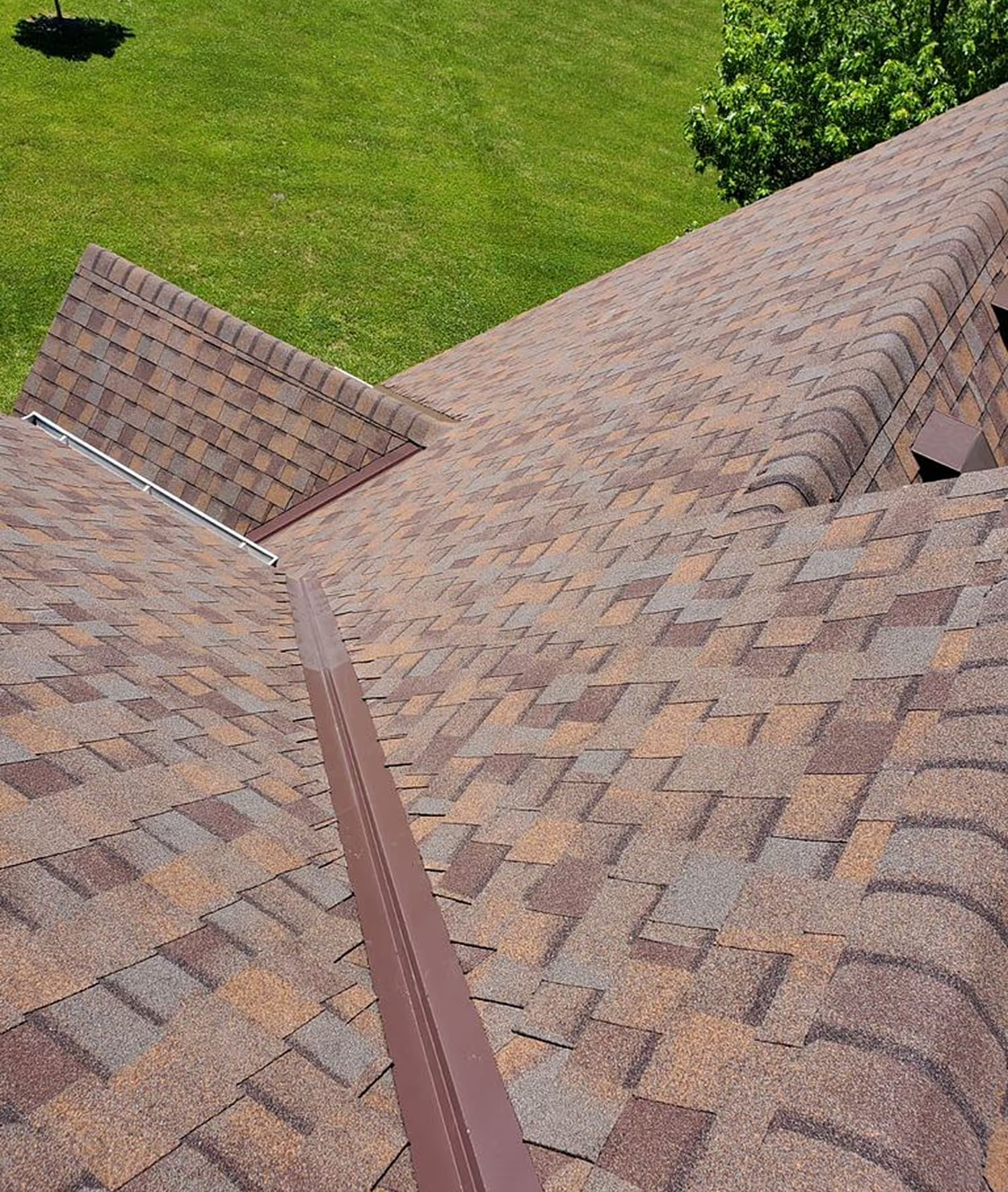
HOA and Roof Replacement: What Homeowners Need to Know

If you live in a community governed by a homeowners association, replacing your roof isn't always as straightforward as calling a contractor and picking a shingle. HOA rules can affect what materials you're allowed to use, what colors are approved, who is responsible for certain repairs, and what the approval process looks like before any work begins.
This post walks through the most common HOA roofing situations so you know the right questions to ask before moving forward.

Who Is Responsible for the Roof?
This is the first question to answer, and the answer lives in your HOA's governing documents — typically the Declaration of Covenants, Conditions, and Restrictions (CC&Rs). Responsibility varies significantly depending on the type of community:
- Single-family home communities. In most single-family HOA neighborhoods, the homeowner owns the roof and is responsible for its maintenance and replacement. The HOA's role is typically limited to approving the materials, colors, and contractors used.
- Townhome communities. Responsibility here is more variable. Some townhome HOAs maintain and replace roofs as a shared community expense covered by association dues. Others place that responsibility on individual unit owners. Your CC&Rs will specify which structure applies.
- Condominium communities. Condo associations most commonly handle roof maintenance and replacement as a shared building expense. Individual unit owners typically don't own the exterior structure. If you're in a condo and experiencing a roof-related issue, the path usually runs through the association rather than a contractor you hire directly.
If you're unsure which category applies to your situation, the CC&Rs are the definitive source. When in doubt, request clarification in writing from your HOA board or property management company before beginning any work.
The Approval Process Before Work Begins
Most HOAs require approval before a roof replacement can begin, even when the homeowner is clearly responsible for the work. This is handled through an Architectural Review Committee (ARC) or a similar body. The process typically involves submitting a request that includes the proposed materials, manufacturer and product name, color samples or swatches, and sometimes the name of the contractor you plan to use.
Review timelines vary. Some HOAs respond within a few days. Others have monthly meeting schedules that can push a decision out several weeks. Factor this into your planning — starting work without approval can result in fines, required removal, or both.
A few things that help move the approval process along:
- Submit your request in writing with all required documentation included the first time
- Ask your contractor if they have experience working in HOA communities — they may already know what local associations typically require
- Keep a copy of your approval confirmation before work begins
Material and Color Restrictions
HOAs frequently restrict which roofing materials and colors are permitted in order to maintain a consistent neighborhood appearance. Common restrictions include:
- Approved shingle styles (architectural only, no three-tab, for example)
- Approved color palettes (typically earth tones or neutrals that blend with surrounding homes)
- Prohibited materials (some associations don't allow metal roofing, wood shakes, or highly reflective surfaces)
- Brand or product specifications (some HOAs name specific approved manufacturers)
Before you get attached to a specific product or color, confirm it's permitted. Your contractor should be able to help you identify compliant options within the range your HOA allows.
Storm Damage and HOA Roof Claims
Storm damage situations add another layer of complexity. When hail or wind damages your roof, the question of who files the insurance claim and who coordinates the repair depends on the same ownership structure described above.
If you own the roof, you file the claim through your homeowner's insurance and manage the repair — subject to HOA approval on materials. If the HOA owns the roof, the association files the claim through its master policy and manages the contractor relationship. In that case, your role is typically to report the damage to the association and follow up to ensure it's been addressed.
One important note: even in communities where the HOA is responsible for the roof, interior damage caused by a roof failure may fall on the individual unit owner's policy. It's worth understanding where that line sits in your governing documents before a storm makes it relevant.
Questions to Ask Before You Start
Whether you're planning a replacement or responding to damage, these are the questions worth getting answered early:
- Do my CC&Rs place roof responsibility on me or on the HOA?
- What is the approval process and how long does it typically take?
- What materials and colors are currently approved?
- Are there approved or preferred contractors, or any contractors that are prohibited?
- In a storm damage situation, whose insurance policy covers the claim?
The Bottom Line
HOA roof situations are manageable when you know what to look for. The CC&Rs are the starting point for almost every question — who owns the roof, who approves the work, and what materials are permitted. Getting that clarity early prevents delays, avoids fines, and makes the contractor conversation much more straightforward.
If you're working through an HOA approval or trying to understand your options before starting a roof replacement, an experienced local contractor can help you navigate what's typically required in your area.
Related News & Articles
Stay informed with expert insights, practical tips, and real stories to protect your property and plan smarter improvements every season.



Don’t Miss The Next Property Tips & Advice
Fresh guidance on roofing and property care, delivered straight to your inbox. Stay informed, stay ahead, and keep your investment protected.